
Like many health professionals who treated patients during the COVID-19 pandemic, Drs. Paul Bolin and Paul Shackleford started to draw conclusions about who was most at risk of dying from infections: people with eastern North Carolina’s typical comorbidities like hypertension, diabetes and obesity.
Shackleford, a primary care provider and research professor at the Brody School of Medicine, said large swaths of the population served by the heath care structure in eastern North Carolina can be identified through electronic medical records. But that is just part of the equation, leaving a sizable percentage of citizens outside of public health surveillance.
“We started having people novel to our system who were coming into the hospitals, which gave us the idea that maybe we should start looking for people to figure out a mitigation strategy,” Shackleford said.
At the height of the pandemic, Shackleford and a team of health care professionals — Bolin, a fellow Brody professor and chairman of the department of internal medicine, and Dr. Linda Bolin, an associate professor of nursing science in the College of Nursing with expertise in hypertension, and Dr. Ashley Burch, an assistant professor and behavioral health scientist in the College of Allied Health Sciences — were getting requests from businesses across the region to help find ways to keep workplaces functioning and employees safe on the job.
“I don’t have any industrial hygiene or occupational health credentials, but when somebody calls, we have to help” Shackleford said. “One business owner called from his hospital bed recovering from COVID. His business was identified as critical infrastructure, so they were up and running, or trying to run, and struggling because they had employees who were out of work.”
Shackleford said they “didn’t do anything magical” besides reiterating the established guidelines. But having direct contact with workers who likely weren’t getting routine medical care and under public health surveillance spurred Shackleford and the Bolins to consider how they could be proactive in finding citizens with chronic illnesses. The COVID-19 pandemic would eventually subside, but the unhealthiness of rural Southern lifestyles was here to stay. How could they be part of stemming the tide of disease caused by diet and lifestyle choices?
The team inaugurated the SERVIRE (Stopping Early Reversible Vital organ damage In Rural Eastern North Carolina) project and decided that incorporating students into outreach efforts would fulfill ECU’s motto, and overarching mission, of service.
To date the SERVIRE project has worked with more than 35 businesses across eastern North Carolina, having engaged nearly 1,400 workers at job sites ranging from a water faucet manufacturer in New Bern to a metal fabrication shop in Ahoskie and a commercial fishing fleet on Hatteras Island.
Researchers initially envisioned more interaction with farm workers, but enough of the potential study participants were undocumented, and reticent to participate, that study directors refocused their efforts to more traditional manufacturing businesses. While they were able to reduce operating cost and complexity, and deal with the privacy issues, the question of why 20-25% of workers flatly refused to be part of the study shifted the focus of the team’s research.
“We have folks that know how to run focus groups sit down and actually ask them, ‘What’s the problem?’” Shackleford said. “Early on in COVID we pivoted to delivering vaccines to individuals who would not go to mass vaccination sites, and it was a similar cohort. Yet they were welcoming of the one-offs that we were able to offer. We didn’t do a lot of vaccines, but we still got in the door.”
Hesitancy would be a continuing challenge, Shackleford knew, but it was better in his mind to achieve what could be achieved to keep small towns in the region from folding.
The Bolins and Shackleford recognize that providing health care to rural communities relies on vibrant and resilient businesses that support the functioning of small, rural communities. Without well-paying jobs, hospitals and community clinics run the risk of losing resources or shuttering altogether.
“If we can keep industry running, we can keep this community fed,” Shackleford said.
Reaching Underserved Communities
For Dr. Linda Bolin, who has advocated for heart health for many years, educating patients on health-promoting lifestyle changes wherever she can is important.
“Some companies, like Moen, want us back all the time, and it gives us an opportunity to talk to them and ask, ‘Well, what changes have you made?’” Bolin said. “It heightens their awareness to know we are going to come back. Sometimes you have to hear things more than once, like with students, you have to repeat it several times for the idea to click.”
Bolin said diet and movement are a huge part of the problem for eastern North Carolina. People who seem relatively healthy because their young bodies can mask systemic health issues might actually be ticking time bombs, health-wise.
“During the Vietnam War we had 18-year-olds dying, and when autopsies were done, they were already suffering from atherosclerosis. Establishing healthy habits and making behavioral changes early in life, before age 20 is crucial,” Bolin said. She stressed that the workforce is often seemingly young and robust but shows signs of unhealthiness from eating fast food and being too exhausted from a 12-hour shift in a manufacturing facility to want to exercise.
“These conditions can take a toll on the body, especially for those with a family history of cardiovascular disease, leading to the onset of pre-hypertension,” Bolin said. “We see a significant number of people with hypertension who are already taking maximum medication doses, leading to a classification of resistant hypertension.”
Bolin likened this situation to developing tolerance to antibiotics after prolonged use — if individuals with resistant hypertension develop severe infections such as sepsis, standard antibiotic treatments may become less effective.
Meloney Quay, a Moen employee from New Bern, said she values the SEVIRE outreach because it’s hard to get in to see a primary care doctor and she usually only seeks medical care in emergencies. She would like to see a clinic at her job site twice a year to keep tabs on her basic health information.
Sapphire LaCoss, who also works on the Moen manufacturing line, said she first participated in the SERVIRE research project because it helped lower the cost of her health insurance. Because both her mother and grandmother are diabetic, she feels a responsibility to keep on top of testing.
“I have four kids. I play football, soccer, basketball and volleyball. I help cheerleading. I like to stay healthy,” LaCoss said. “[The Moen leadership] realizes that we work from 5:30 until almost 4 every day and we don’t have time to go to the doctor, right? I think it’s important that they think that their employees are taken care of and they’ll help us because it keeps us healthy and keeps the business going.”
Brooke Rose runs Rural Carolina Ambulance Service with her husband in Ahoskie and is contracted to do the testing for the research project. She said she gets a lot of satisfaction from helping to identify workers’ health concerns.
“We’ve caught very high blood pressure or that they are diabetic and didn’t know they had it. Then they can get the help that they need,” Rose said. “We’ve seen them later and their levels were down, their blood pressure is better and they’re very appreciative. They’re grateful.”
Teaching Students
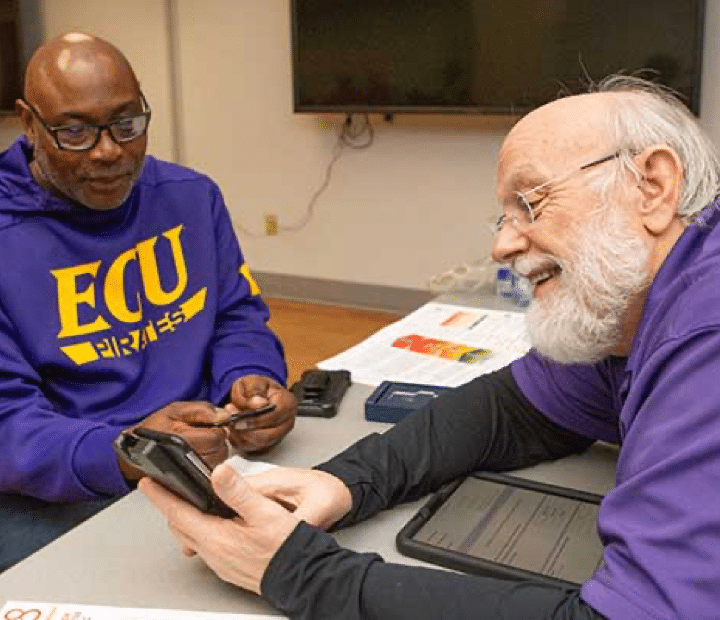
SERVIRE is formally a research project, working to establish best practices for how to identify workers who have fallen through the cracks of the health care system. But the project leaders have turned it into a teaching opportunity — students and contracted medical workers assess workers for basic health metrics that can identify precursors for serious medical complications: height and weight, body index, neck circumference and basic blood sugar readings.
The research is important for the immediate health of the individuals who are tested, and the study directors hope their work will impact regional health in the long-term, but the outreach efforts also give ECU students hands-on experience working with the high-risk populations they will serve after graduation.
Linda Bolin and Burch offer an Honors College seminar for pre-nursing and health majors that focuses on chronic diseases in eastern North Carolina and provides students with the opportunity to participate in the SERVIRE project.
Their seminar, titled “Ghosting Premature Death: Promoting Prevention in Eastern North Carolina,” emphasizes the importance of early engagement with health-related majors by exposing potential students to population health issues and social determinants of health.
“Having these students, along with pre-medical and pre-nursing students, volunteer as integral members of the team is essential because it recognizes the significance of investing in future doctors, nurses and other health care workers, instilling in them a sense of service to their community,” Linda Bolin said.
Several students who were enrolled in the Honors College seminar as pre-nursing majors are now first semester students in the College of Nursing.
Kaylee Ontiveros, an Honors College nursing student from Ayden, said it was eye-opening for her to see just how far from primary care options many of the workers were, and how having hands-on experience with patients can tie together book learning and classroom lectures.
“A lot of people struggle to get medication or get to the hospital compared to places like our city, where can get to doctors right down the road,” Ontiveros said. “We saw a patient who had an abnormality in her neck that she didn’t know about. We said, ‘OK, you need to check this out,’ so it was really putting everything from classroom into perspective.”
Gracyn Faulk, a fellow Honors College nursing student from Goldsboro, participated in research visits to a call center in Greenville and a soup kitchen. She agrees that having an opportunity to interact with real patients was a benefit to her education.
“It’s not what I expected. I’m not really sure what I expected. But it was good to see some of the social determinants of health that we talk about in class, to see them in real life. Some of the people had stories that you wouldn’t hear otherwise,” Faulk said.
Gracie Ipock, a first semester Honors College nursing student from Morehead City, was with Faulk. She said being in the community and learning about people was a huge benefit. Ipock had previously worked as a certified nursing assistant, but this was a new way to interact with patients.
“I think it will help me to be better at clinicals like now because I’m able to talk to these people and not be so scared,” Ipock said. “The more confident you are with working with them, the more they’re going to feel relaxed. Someone could look perfectly fine and not know that they have a lot of issues going on with their health.”
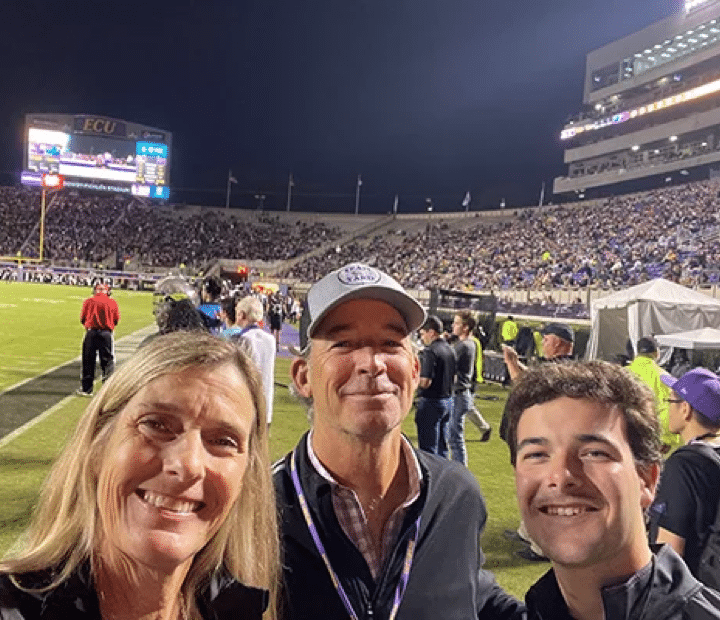
More than 30,000 donors answered the call to support East Carolina University and propelled the Pursue Gold campaign to a historic $526.9 million fundraising record.
“The ECU community has demonstrated a willingness to invest in our future in a remarkable way through the Pursue Gold campaign,” Chancellor Philip Rogers said. “Every contribution makes a direct and positive difference in advancing the upward trajectory of our institution. To all our donors and advocates in Pirate Nation, I say thank you.”
In modest and monumental ways, benefactors answered the chancellor’s charge and exceeded the ambitious $500 million goal. Donors contributed nearly $100 million in philanthropic support during the 2022-23 fiscal year, making it the most successful fiscal year fundraising endeavor of the campaign and setting the bar as the most robust fundraising year in the university’s history. Year-end gifts added a boost of more than $10 million to the campaign’s closing figure.
Previously, numerous donors helped build a foundation of philanthropic success during the university’s Second Century campaign, which raised $219 million from 2008-2012.
A leadership gift from Fielding and Kim Miller in 2015 establishing the Miller School of Entrepreneurship was one of the first commitments that solidified ECU as an institution where philanthropic investment can be transformational.
Efforts to reach the $500 million goal began in earnest in 2017. Due to leadership changes at the university and a pause during the COVID pandemic, the campaign covered more than seven fiscal years of fundraising. In each of those years, new and long-time donors followed the example set by those before them.
Highlights of the campaign’s significant milestones include:
- A commitment from James and Connie Maynard supporting the College of Education and gifts in support of Dowdy-Ficklen Stadium renovations boosted gifts in 2017, the first year of the comprehensive campaign.
- ECU held its second Pirate Nation Gives event in 2018, raising more than $500,000 in 24 hours. Investments by the Oak Foundation in the STEPP Program, Van and Jennifer Isley to create the Isley Innovation Hub, and Robert and Penny Barnhill in the Brody School of Medicine and ECU Health were among the year’s significant gifts.
- In 2019, an anonymous $5 million gift established the BB&T (Truist) Center for Leadership, Travis and Cassie Burt endowed a professorship in cardiovascular sciences, and TowneBank committed $3 million in support for ECU Athletics.
- Fundraising efforts continued to set new records in 2020, with a professorship in the School of Dental Medicine honoring Dr. Jasper Lewis and growth in corporate and foundation gifts. Dr. Betty Beacham and Mason and Kim Mason supported student veterans with gifts through the Veteran Services (SVS) office in the ECU Division of Student Affairs. Nancy Bedford created an endowment focused on study abroad for students in the Thomas Harriot College of Arts and Sciences. Donors responded generously to efforts to support students during the pandemic. ECU raised $185,000 for student emergency funds and distributed 2,079 pounds of food from the (Williams-Ross) Purple Pantry. Grady White Boats and company owner Eddie Smith were crucial to fundraising growth in 2020 with the largest gift in Pirate Club and Athletics history at the time, establishing the Grady White Boats Athletic Campus.
- The public phase of Pursue Gold was announced in 2021. A $5.2 million gift from the estate of Beatrice Chauncey was not only a surprise but also the largest planned gift ever for the School of Music. The College of Education also received its largest gift establishing the Roos Elementary Education Scholarship Program. A gift from Dr. and Mrs. Bruce Klitzman established the Rachel Klitzman Memorial Nursing Scholarship in the College of Nuring. A total of $48.3 million was given or pledged to the university during this fiscal year.
- In 2022, the first full calendar year of Pursue Gold, the comprehensive fundraising effort surpassed the $400 million mark. The year’s effort was marked by $69.8 million in fiscal-year philanthropic support. Burney and Judy Warren created a multi-million dollar fund to support the EC (Brinkley-Lane) Scholars program. Tom Arthur’s $5 million commitment to the College of Business, established the Thomas D. Arthur Graduate School of Business. The Brody family continued to make a significant impact at ECU and the Brody School of Medicine, funding the Brody Scholars program and other initiatives.
- The unprecedented $30 million commitment from Robert Gentry Brinkley and Amy Woods Brinkley and Lewis Patrick Lane III and Lynn Lewis Lane is the largest combined commitment to undergraduate education in ECU history and was the largest gift of 2023 and the Pursue Gold campaign overall.
- Donors contributed nearly $100 million in philanthropic support, making 2023 the most successful fiscal-year fundraising endeavor in history. Gifts included: $5 million from Van and Jennifer Isley for a multipurpose indoor practice facility in Athletics, $3.2 million from the United Health Foundation to expand the North Carolina Statewide Telepsychiatry Program, and $2.5 million in planned gifts from Cheryl and John Oliver in support of the Coastal Studies Institute. Several gifts ensured the final months of the campaign were a success including suppport from Richard Twilley for the Twilley Academy of Sales Leadership, Dr. Emily and Paul Bray, whose investment touches the health sciences and health care areas of the ECU Health Foundation, and two significant anonymous gifts for Athletics and Access scholarships.
“It is clear that ECU alumni, friends and donors are all behind our great university. We had nearly 90 individuals, families and organizations who have committed more than $1 million each during the lifespan of Pursue Gold,” said Christopher Dyba, vice chancellor for University Advancement. “The campaign has served as a momentum builder for the university. Through this effort donors have seen how their gifts are fueling student success, alumni have reconnected with ECU, and the university has rallied support from every corner of Pirate Nation.”
Dyba said the enthusiasm for supporting the campaign has been building since Chancellor Philip Rogers’ arrival in 2021. Rogers kicked off the public phase of the comprehensive campaign in November 2021 and asked Pirate Nation to come together to help carry ECU into the future.
Pirate Nation donors supported, or pledged gifts, to more than 2,250 unique funds across campus priorities through the ECU Foundation, Athletics, ECU Health Foundation and the ECU Alumni Association, which is now integrated into the ECU Foundation.
More than a quarter of the gifts will create opportunities for student success through funding $184 million in merit, need-based and athletic scholarships.
Dyba explained that as a result of the campaign, the foundations have provided $161 million to the university since 2017. On average, each year, the foundations provide $23 million for university needs.
More than $201.6 million in campaign gifts sustain the university’s value and secure ECU’s endowment. Dyba said with more than 1,390 endowed funds, the amount the foundations earn and provide to the university will continue to grow.
“There will be a return on investment for years to come,” he said. “As a result of this campaign, funds provided to the university will further increase as pledges are paid, endowments grow and other commitments are fulfilled. Funds from Pursue Gold will continue to make ECU affordable and accessible to students.”
Catalyst for support
A comprehensive campaign generates funds for the university. It also serves as a platform to connect alumni and friends to the breadth and depth of work happening across the university and showcase the willingness of others to invest in ECU’s future.
The Pursue Gold campaign has sparked conversations about ECU and expanded interest in the university.
One such connection happened for Sean and Andrea Smith, from Charlotte, in conversations with friends, Robert and Amy Brinkley. The Smiths have a passion for education and helping students go to college and were encouraged by the Brinkleys to consider ECU in their philanthropic endeavors.
Andrea and Sean both recall Amy Brinkley’s enthusiasm for how much ECU does for students through philanthropic support. Andrea Smith and Amy Brinkley were colleagues at Bank of America. Robert Brinkley is a long-time champion of ECU. He served on the ECU Board of Trustees including two years as chair.
“Wanting students to be able to get a degree without debt – or little debt – and not have to go to work to pay off college loans is really important to us,” Andrea Smith said. “The idea of Access Scholarships really resonated with what we want to do for students.”
Sean Smith said his own student loans made him reconsider his goal of attending law school after graduating from ECU because he didn’t want to take on more debt. The Smiths decided to endow an Access Scholarship so future students don’t have to make the same choice. They established the Smith Family Access Scholarship Endowment in 2018 and endowed a second Access Scholarship in 2022. They also have an endowed scholarship in ECU Athletics.
“We would get letters from the kids who had received our scholarship telling us how our support helped them stay in college. It’s very rewarding for us to hear from them directly,” Sean Smith said. “Being able to get an education positions people for success and impacts their social mobility. It greatly increases your odds of being successful.”
Since their initial investment, the Smiths’ enthusiasm for ECU has only deepened. Sean serves as president of the Pirate Club’s executive committee. In 2020, the Smiths’ son enrolled at ECU and they became Pirate parents.
During an Access Scholars luncheon, the Smiths were inspired by a conversation with students who shared that the idea of studying abroad had never occurred to them as an option. Soon after the luncheon, the Smiths created the Smith Family Study Abroad Endowment to promote study abroad opportunities for Access Scholars.
“There are so many things we take for granted that some students don’t have an opportunity to do,” Sean Smith said. “We want the students to have as many experiences as possible at ECU.”
The Smiths are committed to their efforts to make a college education affordable and accessible. They have provided scholarship support at the University of South Carolina, where two of their children attend, and at Andrea’s alma mater, Southern Methodist University in Texas. In Charlotte, they volunteer with organizations focused on mentoring students and helping them prepare for and apply to college.
“We see ECU changing lives and doing so much with (donor investments),” Andrea Smith said. “ECU is meeting people where they are, and it differentiates ECU. It’s a win for the kids which is the most important outcome.”
Fundraising efforts continue
While the comprehensive campaign has come to an end, fundraising for the university continues. Philanthropic efforts through University Advancement and the ECU Foundation will focus on university needs and student success through merit and needs-based scholarships for admissions and retention.
ECU Athletics will continue the Pirates Unite Campaign to raise $60 million to provide critical funds and essential training spaces that will transform the experiences of student-athletes.
The ECU Health Foundation will remain focused on raising philanthropic support for ECU Health, the ECU schools and colleges of the health sciences and Laupus Library.
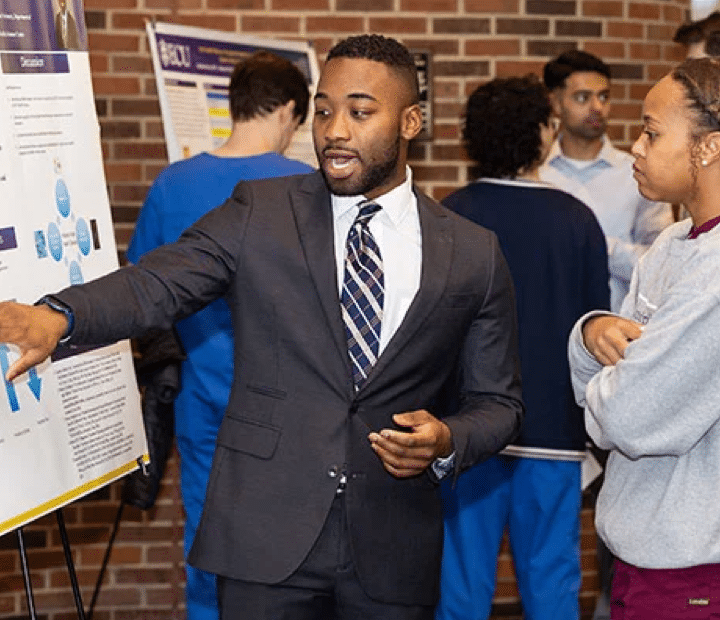
The East Carolina University School of Dental Medicine held its ninth annual Celebration of Research and Scholarship (CORAS) Feb. 7, showcasing student, resident and faculty research and welcoming two keynote speakers who spoke to the event’s theme, “AI in the Dental World.”
More than 50 research posters dotted the Ross Hall rotunda throughout the morning while the researchers stood by to explain their methods and findings to visitors from the school, university and other institutions.
The event is one of the school’s central traditions, honoring research as a key part of its mission and vision.
Dr. Margaret Wilson, vice dean and interim associate dean for student affairs, welcomed visitors and participants to the event and emphasized the importance of research and scholarship to the ultimate benefit of patients.
“It’s important that we pause and reflect on the opportunities that we all have as educators and learners to improve oral health and overall health for all communities,” she said. “Research plays an essential role in improving oral health — and in order to make progress and create new knowledge, we need to have dedicated faculty who are involved in research, engaged in scholarly activities and committed to inspiring curious students and residents, enabling and encouraging them to develop a passion for discovery.”
Dr. Sharon Paynter, ECU’s acting chief research and engagement officer, said the event is part of the university’s growing research enterprise.
“Last year, the university recorded more than $85 million in sponsored activities — an all-time record,” she said. “We are investing in startup packages, high-impact experiential learning for students who participate in research efforts, catalyzing research teams and ideas, high-performance computing resources and other critical research infrastructure. The ways that the School of Dental Medicine has engaged in that growth and investment strategy is evident at events like this one. It is through events like CORAS that the magic happens.”
Dr. Alexandre Vieira, the school’s associate dean for research, said that research should be considered an essential part of dental education.
“Research should be in the fabric of everything we do,” he said, from education to serving as clinicians to making a difference in communities. “We are part of the same mission.”
Keynote speakers were Dr. Donald A. Tyndall, professor of diagnostic sciences at UNC Chapel Hill’s Adams School of Dentistry, who presented “AI and Diagnostic Imaging in Dentistry: A Rising Tide That Lifts All Boats,” and Dr. Jin Xiao, associate professor and director of perinatal oral health at the University of Rochester’s Eastman Institute for Oral Health, who presented “Smart Connected Oral Health Community (SMART Teeth): Using AI and Digital Technologies to Close the Gap in Oral Health Disparity.”
Students and faculty also received awards during the event, including the following honors:
- Case Reports: Areej Hussein
- Clinical Research: Asha Sude
- Community/Epidemiology Research: Lucy Anna Sheaffer
- Basic & Materials Research: DaQuan Mebane
- Scholarship of Teaching/Mentoring: Dr. Michael Webb
- People’s Choice Award: Markus Mosley
- Hinman Research Symposium Award: DaQuan Mebane
- SCADA Award: Liam Hopfensperger
- AADOCR Research Day Award: Markus Mosley
Lisa Finch, office manager in the Office of Research and CORAS organizer, said the event underlines the importance of research as part of dental education.
“Research is simply important; it is important for the overall health of our community,” she said. “This is part of our mission to lead the nation in community-based oral health education, research, patient care and service. It is important for the school to celebrate student research because our students and residents are the next generation that will continue to build upon the blocks of our health and well-being.”
Dental students shared their thoughts on the value of research and CORAS as part of their dental education.
“The acknowledgment not only affirmed our hard work but also highlighted the effectiveness of our presentation in capturing the audience’s attention and interest. Winning these honors provided a sense of accomplishment and inspired us to continue striving for excellence in our academic pursuits,” said Mosley of being honored with awards for his work, alongside co-author and dental student Erika Stevens. “Being the first time presenting our findings, we were slightly anxious about communicating with our dean, faculty and peers. To our pleasant surprise, after all the hours of planning with Dr. (Wenjian) Zhang, we demonstrated our aptitude for delivering insightful research with unwavering confidence and enthusiasm, showcasing a profound mastery of the subject matter.”
Mebane said the opportunity to research alongside faculty offers unprecedented experiences.
“The opportunity to share my findings on hypertension, a topic that intersects with dental health in significant ways, with peers and mentors was both an honor and a learning experience,” said Mebane, class of 2027. “Oral health has an inextricable connection to systemic health. A large part of the mission of our dental school is to serve the underserved rural areas of North Carolina. Older age is a major factor that increases the odds of developing hypertension, making a deeper understanding of this condition invaluable for us as future clinicians.
I.J. Okons, a member of the class of 2025, has presented her research every year since starting dental school.
“It provided an opportunity to showcase the culmination of our efforts and present our findings to a broader audience,” Okons said. “It’s also gratifying to see our work acknowledged and appreciated, especially knowing that it has the potential to make a positive impact on prenatal oral health education for pregnant women and their prenatal providers. Research is crucial for me as a future dentist because it allows me to stay actively engaged of emerging technologies and advancements in dentistry. It empowers me to engage with the community and comprehend the impact of our efforts on prenatal oral health education for both expecting mothers and their prenatal providers.”
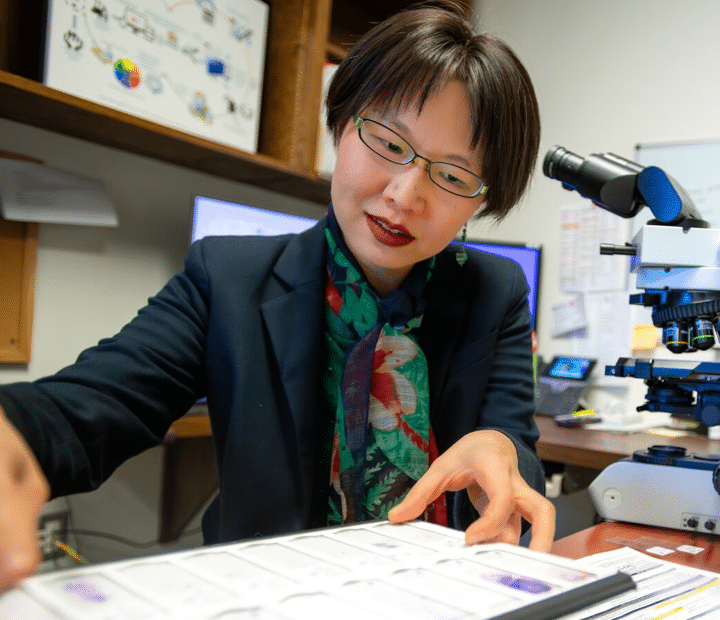
A hospital says a medical school professor in Eastern Carolina has been named an emerging leader for her work addressing some of the most challenging problems in healthcare delivery.
ECU Health says Yaolin Zhou, MD, associate professor of Pathology and Laboratory Medicine at the Brody School of Medicine at East Carolina University was named to the 2023 Becker’s Hospital Review “Emerging Leaders: Provider Organization Leaders Under 40″ list.
The Becker’s Hospital Review list recognized the director of Quality and Test Utilization, and head of Molecular Pathology at ECU Health as up-and-coming leaders who is quickly rising through the ranks at their organizations, focusing on development, innovation, and improved outcomes while being under the age of 40.
The hospital says since her arrival in 2020, Dr. Zhou established an innovative molecular consultation service, focused primarily on pre- and post-testing review, to ensure cancer patients get appropriate molecular tests and treatment.
Most recently in 2023 ECU Health says she secured a $250,000 industry-funded quality improvement grant aimed to identify and address healthcare disparities in cancer care, ultimately improving patient outcomes in eastern North Carolina’s rural 29-county region.
“As a cancer survivor myself, I strive to bring quality and equitable cancer care to those I am honored to serve,” said Dr. Zhou. “All patients deserve high-quality and guideline-recommended cancer treatment.”
As the only molecular pathologist in ECU Health’s 29-county service area, she provides expertise that benefits more than 1.4 million individuals in the region.
She was also recognized as an international quality improvement and test utilization expert after she partnered with clinical colleagues to establish a health system-wide initiative to reduce daily repeat lab tests in 2020. ECU Health says she achieved a 15 to 25 percent reduction in unnecessary repeat daily testing throughout the system, earning her and her team the American Society for Clinical Pathology Choosing Wisley Champion Award.
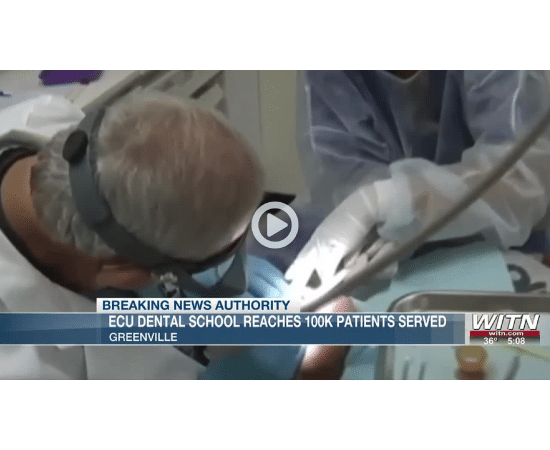
The East Carolina University School of Dental Medicine has surpassed 100,000 patients cared for through the campus and hospital clinics.
The university said this has come through their use of service learning centers and special care initiatives.
“This is a landmark moment for ECU and the School of Dental Medicine,” said ECU Chancellor Philip Rogers. “This is not only a milestone, but also a mile marker, as we are just getting started. It is a reminder that we are upholding a promise we made to the people of our state to prepare new dentist leaders and increase access to oral health care for patients everywhere, including our most rural communities.”
According to ECU, the dental school began in 2011 to build up and equip dentist leaders to provide oral health care for rural and underserved communities.
“Celebrating this milestone is not just about a number,” said Dr. Greg Chadwick, dean of the dental school. “It is about educating the next generation of dentists as we provided much needed care to 100,000 North Carolinians, many of whom may not have had access to this care if it were not for our community service learning centers across the state, as well as our supporters and donors who have been there from the beginning.”
The dental school has had more than 450 graduates since the first graduating class in 2015, and that 90% of those who continued with dentistry practice in North Carolina, the university said.

Mike Sheppard was a part-time drummer, keeping the beat to his band’s classic rock tunes during gigs in and around his hometown of Canton, North Carolina.
But that musical rhythm was interrupted by a different kind of tempo — the throbbing pain that he almost constantly felt in his teeth and mouth. That’s when Sheppard had to set down his drumsticks.
He sought help at the East Carolina University School of Dental Medicine’s community service learning center (CSLC) in Sylva, where he received care during the school’s ECU Smiles for Veterans event in December.
“It’s been life-changing,” Sheppard said.
He and more than 100,000 patients have received care through the School of Dental Medicine’s on-campus and hospital clinics, CSLCs and community program sites across the state — an achievement that goes well beyond a headcount, but is instead measured by smiles restored.
“Celebrating this milestone is not just about a number,” said Dr. Greg Chadwick, dean of the ECU School of Dental Medicine. “It is about educating the next generation of dentists as we provided much needed care to 100,000 North Carolinians, many of whom may not have had access to this care if it were not for our community service learning centers across the state and our supporters and donors who have been there from the beginning.”
The School of Dental Medicine opened its doors to students in 2011, driven by a mission of preparing dentist leaders and increasing access to oral health care for patients across the state, especially in rural and underserved communities. Since 2012, the school’s model has expanded through the creation of the CSLCs and innovative programming that reaches more patients where they are.
“This is a landmark moment for ECU and the School of Dental Medicine,” said ECU Chancellor Philip Rogers. “This is not only a milestone, but also a mile marker, as we are just getting started. It is a reminder that we are upholding a promise we made to the people of our state to prepare new dentist leaders and increase access to oral health care for patients everywhere, including our most rural communities.”
Over the course of his visits to the CSLC-Sylva, Sheppard received partial dentures and repairs to cracked and broken teeth. The difference, he said, has been evident in daily life.
“Before, I was in lots of pain; at least two or three days a week I’d be functioning with really bad pain,” he said. “Now, I feel 100% better than I did.”
Sheppard has also returned to his music.
“Since last year, we’ve done seven gigs that I hadn’t done for years before because of the pain,” he said. “I can do this again and not have to worry about the pain and embarrassment. If affects the way you perform. When you can smile and you couldn’t before, it’s confidence — and confidence can lead to other things.”
‘A mutually beneficial setting’
“When I first heard ECU School of Dental Medicine has treated 100,000 across the state, my first response was, ‘Wow!’ This accomplishment is incredibly impactful to all of North Carolina, and knowing I was a small part in that, is very special,” said Dr. Jennifer Vrikkis ’16, who practices at Reynolda Smiles Family Dentistry in Winston-Salem. “I can’t believe it’s been several years since leaving formal education and starting my journey in private practice, but I still feel like I’m a part of ECU with the same mission to serve our community.”
An important piece of the school’s model is recruiting and educating students who have shown the desire to make a difference for North Carolina through dentistry. These students and alumni come from all over the state, bringing with them a passion for caring for others through creative and daring initiatives.
Close to 90% of ECU School of Dental Medicine graduates practice in North Carolina, a number that could be impacted by the school’s unique model of care. During their fourth year, students gain experience at three of the school’s eight CSLCs across the state, as well as clinics in Ross Hall, the school’s campus facility.
That model not only provides a wider variety of clinical experiences for students, but more opportunities for patients to receive care.
Dr. Robert Pinner ’21 runs Pinner Family Dental in Greenville and considers the latest milestone a win for students and alumni from the school’s first days.
“Though I’m just a small link in a long chain of participants, it gives me tremendous satisfaction to see all we have collectively accomplished,” Pinner said. “This mutually beneficial treatment and learning setting—and the doubly positive outcomes it provides—is really the overlooked ‘secret sauce’ that sets our students apart. Upon graduating, our students are ready and prepared to go practice dentistry at a high level. Building this model was intentional and took a great deal of forethought and diligence.”
Dr. Roopwant Kaur, assistant dean for engagement and clinical associate professor of operative dentistry, said the milestone is a testament to the school’s commitment to delivering care based on a proactive and assertive approach, “demonstrating commitment to pioneering and innovative strategies in addressing complex health care challenges.
“This remarkable accomplishment serves as a shining example of our unparalleled success in balancing our core educational mission, impactful community service initiatives and unwavering dedication to clinical excellence,” she said.
Dr. Jasper Lewis Jr., a Greenville pediatric dentist who supported and guided the dental school’s creation, said the school is going beyond the mission and vision it was first founded to achieve.
“Our students are exposed to the same curriculum as other schools, but in a model that gives them a broader exposure to dental needs of all types of patients from a large variety of educational and financial backgrounds across the state,” said Lewis, also the namesake of the school’s first endowed professorship. “Students are taught not only the didactics and mechanics of dentistry, but how to be efficient for the patients as well as themselves. This helps them to see more patients in a given time at less expense to both the patient as well as the provider.”
The mountains-to-coast approach
The state motto of North Carolina is a poignant yet bold call “to be, rather than to seem.” ‘To seem’ is stationary. ‘To be’ is a journey, a calling.
The School of Dental Medicine’s mission has long been less about words and more about works — finding ways to tangibly reach more patients while preparing dentist leaders eager to care for a state that needs them. The school is built on a combination of hope, grit and determination that intersect at a crossroads of better health and better lives.
“Over the years, our students have not only learned to care for the patients they interact with, but they have also nurtured their inherent desire to serve,” said Dr. Margaret Wilson, vice dean and interim associate dean for student affairs. “Our students and alumni are living and working our mission, and their hard work shines through this meaningful milestone. Each of them has left a mark on our school, and in turn, on the patients they care for and in the communities where they make a difference.”
The CSLC system, an award-winning model that includes centers in Ahoskie, Brunswick County, Davidson County, Elizabeth City, Lillington, Robeson County, Spruce Pine and Sylva, each sprung from roots carefully cultivated in their communities spanning regions, demographics and distinctive needs. These centers serve as the school’s “secret weapon” against the challenges North Carolina faces in oral health care — aging dentists, remote locations, lack of insurance or means of funding care and other challenges specific to communities, families and patients.
“Seeing the plan unfold from the perspective of the community service learning center has been an enriching experience,” said Dr. Ford Grant, faculty director of the CSLC-Ahoskie. “From my pre-ECU perspective, it is remarkable that 100,000 patients have been cared for since the first patient was seen in Ahoskie in July 2012. How would these patients have received care without the school? It is a humbling thought as we celebrate this milestone.”
Grant said the number also signifies that there is a long way to go still.
“So many more of our North Carolina citizens still have access to care issues,” he said. “The main campus at Ross Hall and the rural-based community service learning centers can only meet some of the unmet dental needs of the state. ECU’s model is in a great position to support dentists in rural locations through continuing education and community service projects. Being involved in underserved areas can help lift up communities by providing much-needed dental care and has encouraged young people in rural areas to seek careers in the health professions. We hope our staff, students and faculty interacting within the community continue to help inspire others.”
Caring for special populations
When Bruce Hair started having dental issues, he stopped talking. He didn’t want to meet new people or be put in a position to hear jokes or ridicule.
Hair, of Franklin, North Carolina, had dealt with a broken front tooth for more than a year when he sought help at the CSLC-Sylva through ECU Smiles for Veterans.
“I am so happy with the outcome,” Hair said. “When I was missing that whole front tooth, I was uncomfortable around strangers and anywhere for that matter. I just let it get to me in a personal sense. I had stopped smiling; my life was just kind of closing in.”
These days, he can be himself again.
“Now that I can smile and look at people and talk in a normal way, I’m just a lot happier,” Hair said.
Hair and other patients who are considered part of special populations — veterans, children, the elderly, those with special care needs — have found more accessible oral health care thanks to the school’s programs focused especially on them.
In addition to ECU Smiles for Veterans, the school offers the Sonríe Clinic for migrant farmworkers, school-based dental programs in Bertie and Jones counties and a monthly clinic in Hyde County, among other volunteer and outreach programs. Since 2020, the school-based programs alone have provided more than 12,000 preventive and diagnostic services to over 1,000 children in Bertie and Jones counties who have extremely limited access to care, said Rachel Stewart, supervisor of school-based oral health prevention programs for the School of Dental Medicine.
“Being on the front lines of these programs is an amazing opportunity to connect with patients and community members,” Stewart said. “By staying immersed in the community, we can see the changes as they happen and connect with community members and leaders to learn how to best serve the children of the county. Not only do the programs provide clinical services, but we also provide oral health education and supplies to each child.”
Third-year dental students develop age-appropriate presentations that they present in each county as well, improving the oral health literacy of the children while also helping the dental students develop their passion for working in underserved communities.
Faculty and student research also leads to reaching more patients and finding more innovative ways to care for them; the school’s research base is expanding and taking advantage of resources, grants and partnerships across the state and nation. Special needs care capabilities are also expanding through state allocations and other funding.
The growth in these areas keeps some students confident that their ECU School of Dental Medicine experience is preparing them to care for the next 100,000 patients.
“Being a part of the school has been an inspiring journey,” said fourth-year dental student Cherina Jo McKnight. “I knew that committing to this school would teach me the keys to unlock many doors closed to underserved populations. I believe that one of the most rewarding aspects of becoming a dentist is making a difference in someone’s life while doing something I truly love.”
Chadwick said the momentum is building for the school’s most fruitful years to come.
“Each of these 100,000 patients is a North Carolinian, a part of our dental school community and a face that represents our mission and vision,” he said. “We are grateful to them for entrusting their care to us — and we look forward to restoring and creating even more smiles across the state as we enter the next chapter in the life of our school.”

When East Carolina University’s new Farm 2 Clinic (F2C) mobile teaching kitchen and pantry hits the road it will deliver more than nutrition to underserved people in the region. The 28-foot trailer, wrapped in bold purple, with imagery of colorful produce and program logos, also carries the university’s values.
“I am struck by how this is a mobile billboard for ECU’s mission of student success, public service and regional transformation,” said Christopher Dyba, vice chancellor of university advancement. “I cannot help but have a bit of awe seeing this and want to take a moment to say how impressive and beautiful this is.”
The mobile teaching kitchen and pantry launched Tuesday at a ribbon cutting and celebration at the College of Allied Health Sciences. Through its hunger-relief platform, Food Lion Feeds, Food Lion invested $150,000 in ECU’s innovative F2C initiative to make the trailer possible.
“Today’s event celebrates a longtime and meaningful corporate partnership with Food Lion,” Dyba said. “Together, we share an important commitment to ending hunger and addressing health disparities in our local communities.”
Dyba also recognized Duke Endowment, which provided programmatic support for the Department of Nutrition Science to manage the Fresh Start program, and Camping World and Signsmith for their efforts to outfit and design the trailer.
Through the Food Lion partnership, the mobile teaching kitchen and pantry is equipped with two commercial refrigerators, shelving, sinks, spaces for food preparation and cooking, and extensive storage for educational supplies. At the ribbon cutting, the trailer also was loaded with hundreds of pounds of fresh produce donated by Food Lion. The produce will be provided to patients at the Pitt County Care Clinic, run by Dr. Tom Irons, and the Hope Clinic in Bayboro.
The mobile teaching kitchen and pantry is designed to improve access to healthy food and support improved nutrition and health for uninsured, low-income diabetes patients in rural eastern North Carolina. The program provides nutrition science students experience as they guide patient participants to learn food skills while enabling them to provide fresh, local produce to patients directly.
David Garris, director of operations with Food Lion, said the company supports ECU’s Farm 2 Clinic initiative because of its transformative approach to addressing food insecurity.
“We applaud ECU and the work you’re doing. We’re honored to be a part of and support your mobile teaching kitchen and pantry,” Garris said. “Now more than ever, unique approaches and collaborative partnerships, like the one we have with East Carolina University, are needed to address food insecurity. Together, we are meeting our community’s needs by increasing access to fresh and nutritious food and addressing the root causes of hunger.”
The partnership with ECU carries a personal element of pride for Garris, who describes himself as loyal and bold, purple and gold.
“To say that I am proud of East Carolina might be an understatement. I am incredibly proud to support their efforts. As a former student of East Carolina University, where I studied music education, I was a proud Marching Pirate and have always felt a sense of belonging,” Garris said. “We love this university, and even more so, we love what this university means and does for eastern North Carolina.”
Dr. Michael Wheeler, chair of the nutrition science department, described the new mobile kitchen as a celebration of three Ps — the right people, project and partnership
The idea of a program to take nutrition science into the field was discussed for years within the department. He said it became reality when Dr. Lauren Sastre, assistant professor and founder and director of the F2C initiative, created the project. Sastre and F2C graduate students leaders recruited more student volunteers to implement the program. By establishing partnerships in the community more people became involved and supported the initiative.
At Hope Clinic in rural Pamlico County, Executive Director Yolanda Cristiani and staff provide primary health care to low-income, uninsured adults. Cristiani heard a presentation on ECU’s Fresh Start program and applied to participate.
“From the health coaching to the diabetes education and exercise, and the nutrition aspect, this program exceeded my expectations,” she said. “One (program graduate) lost a considerable amount of weight, gained confidence, got a job, and now we see him outside the grocery store he now works in, swinging a kettle ball on his breaks. This has really changed his life in a lot of ways.”
Cristiani said she sees many positive results of the Fresh Start program in her community. Patients have included their family members and shared the lifestyle changes and nutrition lessons at home. She said the addition of a mobile teaching kitchen and pantry will significantly boost their support of marginalized communities.
Brandon Stroud ’21 ’23, F2C’s assistant director, is completing his dietetic internship with ECU and plans to be a registered dietitian. His career path has been influenced by working in the community with Fresh Start and watching F2C grow.
“This program was my first exposure to community-engaged nutrition research and programming and changed my career trajectory as I want to continue to find innovative ways to work in and serve eastern North Carolina,” Stroud said. “One highlight for me was a patient whose blood sugar was so high it had started to affect his vision, and he told us that after the program he was able to see better.”
Stroud said much of the program’s success was generated by the involvement of more than 200 students who contributed 200,000 volunteer hours, participated in 23 student research projects, and assisted in developing 14 national peer-reviewed scientific presentations and publishing five peer-reviewed manuscripts.
“We are not only serving eastern North Carolina, we are showing the rest of the United States how to do food and nutrition programming in novel ways,” Stroud said.
Brooke Gillespie ’23, F2C coordinator and a nutrition science graduate student, began as a volunteer with the Fresh Start program in her junior year.
“At that time, I was so beyond excited to get my foot in the door with a program that represented ECU and the eastern North Carolina community. Little did I know, I was stepping into a world that would completely change my life,” Gillespie said.
During her earlier involvement in Fresh Start, Gillespie said Sastre took her under her wing and trusted Gillespie with food preparation and recipe development, vital components that keep the program running. Thanks to Food Lion, she said, program components will be managed with ease using the mobile kitchen.
“I can tell you that our impact is far beyond what numbers can represent. I have been able to watch students go from shy, nervous and unsure of their abilities into being some of the most self-assured, confident and driven future health care professionals,” Gillespie said. “I have listened to patients who have told me how this program has helped them face barriers they never thought they would overcome. I even had a patient tell me how when she started the Fresh Start program she thought that diabetes had control over her life, but now she knows that she has control over her diabetes.”
ECU’s Pursue Gold campaign to raise half a billion dollars will end in December. This ambitious effort will create new paths to success for Pirates on campus, across the country and around the world. Donor gifts during the campaign will keep ECU constantly leading and ready to advance what’s possible. Learn more at ECU’s Pursue Gold.

Fourth-year East Carolina University School of Dental Medicine student William Via’s rotation at the school’s community service learning center (CSLC) in Spruce Pine handed him the opportunity to care for a group of veterans during the center’s inaugural ECU Smiles for Veterans event.
It was an experience he won’t soon forget.
“I never have worked with a more appreciative group of patients that also deserve the most appreciation themselves,” Via said.
While it was the first ECU Smiles for Veterans event at the CSLC–Spruce Pine, the school has hosted events through the program since 2018. It partnered with western North Carolina veterans organizations to host the inaugural program 95 miles southwest of Spruce Pine at the CSLC–Sylva. Prior to the Spruce Pine event, the ECU Smiles for Veterans program had provided more than $125,000 of care to more than 275 veterans.
The program was created to reach veterans who have not had access to dental care in the past, part of the school’s efforts to prioritize special populations within its communities. The event provides preventive care and necessary procedures — from fillings to extractions and more — at no cost to the veterans.
In 2018, school leaders joined forces with local veteran services organizations, NC Serves Western and Smoky Mountains Outreach Foundation — now Veteran Smiles Foundation — which provides education and financial support to veterans in North Carolina who want to improve their oral health. As the program has grown and expanded from Sylva to the CSLC–Brunswick County and those in Lillington and Spruce Pine, the Delta Dental Foundation has also become a sponsor through its mission to expand equity in oral and overall health by partnering with community programs.
The community also pitched in to make the day a success. DT’s Blue Ridge Java offered coffee and refreshments, United Community Bank brought lunch, Image Dental Arts provided some partial dentures and local Robert Bailey delivered laser-edged flags to show appreciation to the veterans.
An ECU Smiles for Veterans Patient Care Fund has also been created to help support the program.
ECU Smiles for Veterans events are held throughout the year, and fourth-year dental students completing one of their nine-week rotations at the school’s eight CSLCs might find themselves in the middle of one of the school’s strongest traditions.
“Within the first week of our arrival to the clinic, the whole staff was meticulously planning the event,” Via said. “It was immediately evident to me that the ECU School of Dental Medicine’s Spruce Pine clinic had a passion to serve our country’s veterans. Their foresight and effort could be seen and felt by every veteran patient that participated in the event.”
During the event in Spruce Pine, faculty, students and residents provided $10,000 worth of care to 15 veterans, supported by an enthusiastic office staff.
“Our veterans are a special group of people. They served our country, and through our Smiles for Veterans Day, we get to serve some of them,” said Gene Self, business services coordinator at the CSLC–Spruce Pine. “It was awesome to hear about their tours of duty and to get to hear their stories. The event strengthened our connection by meeting our mission ‘to serve.’”
Self said the event was made more meaningful by the faculty and staff who made the trip from Ross Hall, the dental school’s campus facility in Greenville, to help provide care.
“Serving patients like these and making a difference in our community is one reason I love working at ECU School of Dental Medicine in Spruce Pine,” he said. “Through our partnership with Veteran Smiles and other community partners, we are able to care for underserved patients and make care more accessible for those who need it. Having a positive influence in the lives of people in our community is one thing that drew me to School of Dental Medicine in the first place.”
Charles F., a veteran who received care during the Spruce Pine event, said the care he received that day is already making an impact.
“It’s going to change my life; I can actually smile now,” he said, detailing the procedures he had completed. “I’ve been trying to get care for my teeth for over two years. This is a lot of work, and I’m so thankful for it.”
Via said participating in the event was an experience he will carry with him as he cares for future patients.
“Every patient had an individual story that fit into a collective love and appreciation for our country. I am so thankful to have been a part of that service day. When a service event goes so well, it makes me ready for the next opportunity to do even more.”
He said the event was also unique because many of the school’s faculty who lead the ECU Smiles for Veterans events are veterans themselves who are also active in carrying out the school’s mission of opening doors to dental care across the state.
“Having faculty and administrators that have dedicated their careers to service through the Armed Forces brings an excitement that is hard to describe,” he said. “The service events that the school is able to hold emphasizes the immense need in North Carolina communities, a need that ECU School of Dental Medicine works so very hard to meet.”

The East Carolina University School of Dental Medicine is able to support more rural underserved North Carolinians with dental care needs thanks to a first-time gift from The Leon Levine Foundation.
Through the $60,000 gift, supporting the patient care funds program, more patients can receive care at the SoDM’s community service learning centers (CLSCs) and clinics throughout North Carolina. Patients who qualify are able to get low-cost dental procedures and preventive care through the program.
“We are honored to receive support from The Leon Levine Foundation as we work to fulfill our mission of serving the people of North Carolina,” said Dr. Greg Chadwick, dean of the ECU School of Dental Medicine. “Generous grants in support of patient care funds allow us to serve even more patients in rural and underserved communities through our CSLCs. We are also better able to provide our students with high-quality educational and clinical experiences and create innovative solutions to the oral health challenges in our region and state.”
For more than a decade, the CSLCs have allowed the dental school to achieve its mission to develop leaders with a passion to care for the underserved and improve the health of North Carolina and the nation. The SoDM has earned national awards for its innovative model of education and patient care.
“We believe that equitable access to quality healthcare – including dental care – enriches the wellbeing of individuals and their families. In light of this, The Leon Levine Foundation is honored to support the patient care funds program through ECU’s School of Dental Medicine,” said Dr. Michael Richardson, senior program officer of healthcare. “These resources directly help underserved and uninsured patients, resulting in healthier communities.”
Richardson said Levine cared deeply about establishing pathways from poverty to self-sufficiency. Providing access to affordable treatment through the CSLCs allows patients to face one less barrier to economic mobility.
“While North Carolina has faced a shortage of dentists in recent years, especially in rural communities, we are confident that ECU’s School of Dental Medicine will positively impact dental care trends in the region in the years to come,” Richardson added.
Fourth-year dental students spend three nine-week sessions serving in CSLCs across the state, living and working in communities whose residents face a plethora of disparities, from financial hardships to geographical access.
The Leon Levine Foundation supports programs and organizations that improve the human condition through investments in education, healthcare, human services and Jewish values. Based in Charlotte, the foundation invests in nonprofits across North Carolina and South Carolina with strong leadership, a track record of success, and a plan for financial sustainability. Through its investments, the foundation intends to create pathways to self-sufficiency, champion strategies for permanent change, and facilitate opportunities for growth.
ECU is in the public phase of the Pursue Gold campaign to raise half a billion dollars. This ambitious effort will create new paths to success for Pirates on campus, across the country and around the world. Donor gifts during the campaign will keep us constantly leading and ready to advance what’s possible. Learn more at pursuegold.ecu.edu.

Miracle Children and their stories of remarkable courage during life-threatening illnesses and injuries helped make the 38th annual Celebration Broadcast a tremendous success.
Thanks to Children’s Miracle Network Hospitals’ longtime television partner, WITN, which produces the fundraiser, this year’s Miracle Children were able to share their heartwarming stories of complex illnesses and traumatic injuries and the quality medical care they received from Maynard Children’s Hospital.
The theme of this year’s Children’s Miracle Network Hospitals campaign has been “Change Kids’ Health, Change the Future” which shows how important donations are in helping shape a healthier tomorrow for patients served at Maynard Children’s Hospital.
Major contributors to the yearly event, held June 3-4 to raise money for Children’s Miracle Network Hospitals, featured contributions from long-time supporters from across eastern North Carolina including Speedway, part of 7-Eleven, Inc., Jersey Mike’s Subs, Log a Load for Kids, and Walmart/Sam’s Clubs.
“Caring individuals, community groups, businesses and others show how much they care about children by providing generous contributions to Children’s Miracle Network Hospitals. In eastern North Carolina, this generosity enables the Maynard Children’s Hospital, located in Greenville and serving 29 counties, to see beyond obvious treatment and save more lives,” said Spence Cosby, co-chair, ECU Health Foundation. “The care and high-quality treatment received here will continue into the future through this year’s amazing donors.”
The Celebration Broadcast featured guests and sponsors who have contributed during the past year, as well as callers who pledged their support.
Earlier this year, the Music for Miracles Radiothon on Inner Banks Media Stations raised $108,443 during the 26th year of their special event, bringing their total raised to more than $3.8 million. The Inner Banks Media radio stations include: 107.9 WNCT; Talk 96.3 and 103.7; Oldies 94.1 and 102.7; and 94.3 The Game.
The largest donor to this year’s campaign came from a long-time corporate partner of Children’s Miracle Network Hospitals, Speedway, part of 7-Eleven, Inc., which raised $316,117 in their eighth year of partnership with Maynard Children’s Hospital.
The largest fundraising event for our local Children’s Miracle Network program was held by Jersey Mike’s Subs during their annual Month and Day of Giving. Collectively, the 17 participating stores in eastern North Carolina raised $141,499.
Long time CMN supporter, Log a Load for Kids held their 26th annual sporting clays shoot on May 5-6 and raised $120,000. These funds came from sponsorships, including title sponsors, Colony Tire and Pinnacle Trailer Sales, and had over 600 participants.
Other major donors and their gifts included Walmart/Sam’s Clubs with $117,852; Panda Express with $47,185; Dance Arts Theater with $43,586; Ace Hardware with $35,153; Extra Life with $21,306; and Publix with $20,295.
Other campaign contributors were Dairy Queen with $11,577; Barbour Hendrick Honda Greenville and The Electric Cooperatives of Eastern NC both with $10,000; REMAX with $9,195; Ollie’s with $7,503; Pepsi/Minges Bottling Group; Eastern Radiologists, Inc.; and Harris, Creech, Ward and Blackerby, P.A. each contributed $5,000.
Additional gifts were from: American Builders with $4,000; Miller and Friends Lemonade Stand with $3,649; Phi Mu Chapter of ECU with $3,435; Care-O-World Enrichment Learning Center with $2,712; and Grady White Boats with $2,500; Equipment Plus and Central Heating and Air Conditioning with $2,000; IHOP with $1,583; brothers, Arun and Ajay Ajmera each with $1,500; Aldridge and Southerland; Team Lighting; Ricci Law Firm; Stallings Plumbing, Heating and AC and Coldwell Banker’s Sea Coast each gave $1,000.
The local Children’s Miracle Network Hospitals fundraising program is staffed and supported by the ECU Health Foundation, the non-profit charitable corporation that serves as the custodian for all financial gifts and bequests to ECU Health. The ECU Health Foundation oversees allocation of all donated funds.
Media contact: Beth Anne Atkins, director, communications and donor relations, ECU Health Foundation, 252-847-7695 or [email protected].