
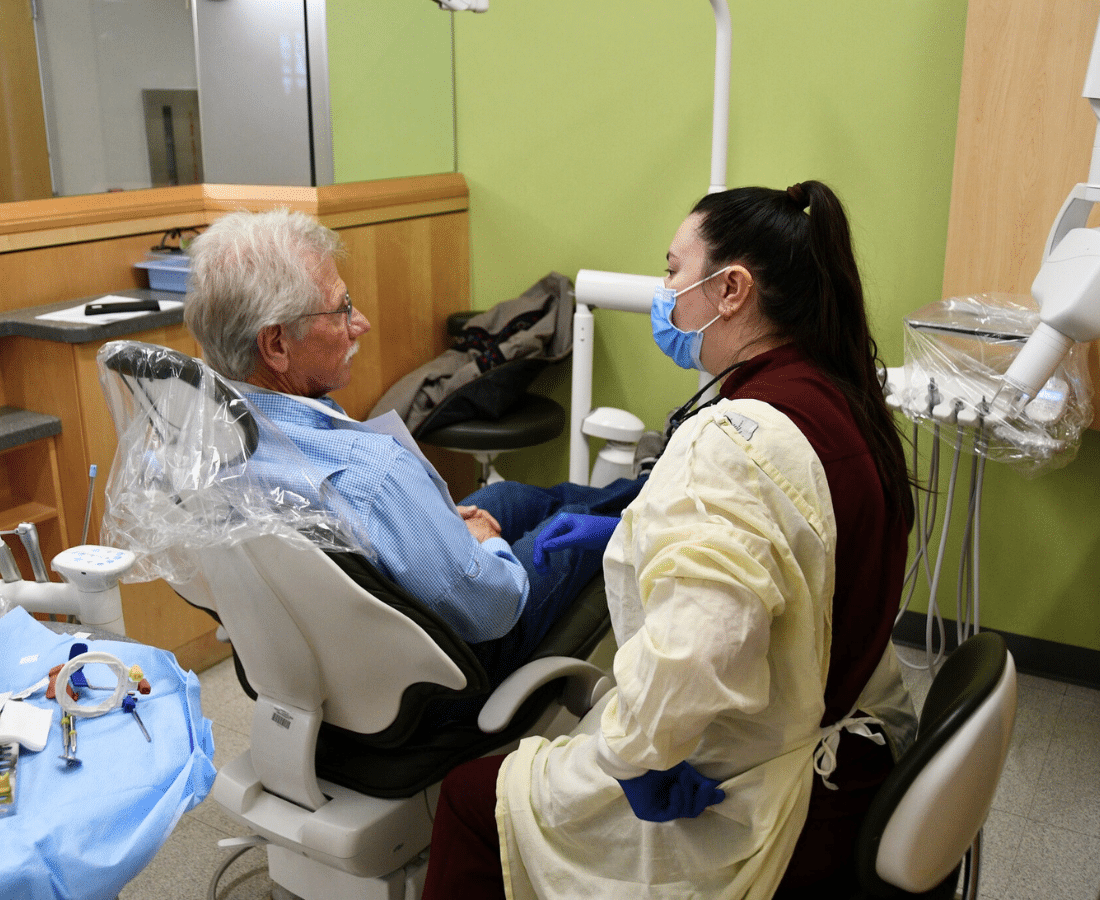
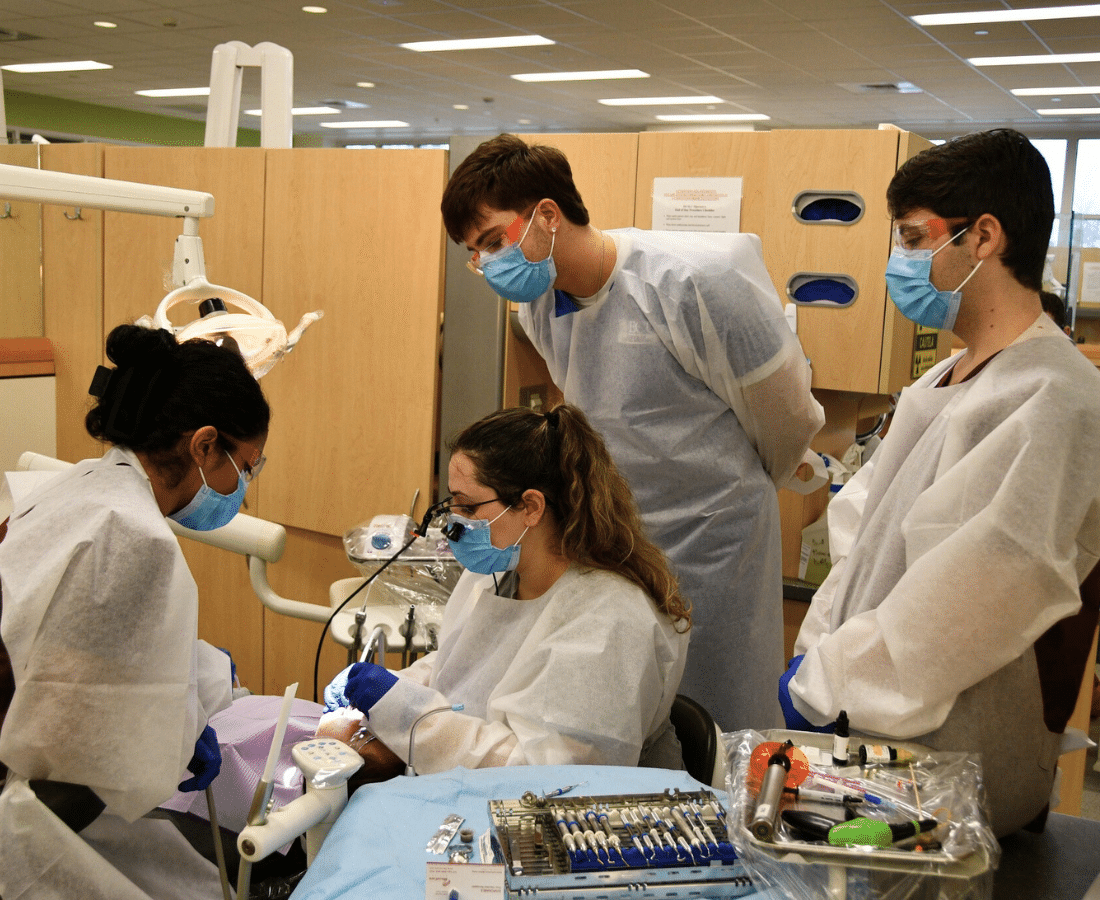
On Veterans Day, The East Carolina University School of Dental Medicine provided 30 veterans with free oral health care through the Smiles for Veterans program. This is the second year the event has been held at Ross Hall, with students, residents, faculty and staff providing more than $13,000 in oral health care including exams, extractions, cleanings, oral surgeries, root canals and even a complete crown.
The Smiles for Veterans program is donor-funded and allows the dental school to provide free oral health care to veterans across North Carolina.There are events held throughout the year at all eight of the school’s community service learning centers (CSLC). Since the initiative began in 2018, it has provided close to a quarter million dollars worth of care for more than 500 veterans. The program began in partnership with the Veteran Smiles Foundation and local veterans’ organizations and has expanded to be sponsored by other supporters and groups over the years.
East Carolina University’s School of Dental Medicine aims to increase sustainability and provide more patient access in western North Carolina through a grant from Dogwood Health Trust.
The three-year, $593,000 grant invests more than $85,000 in Patient Care Funds and more than $425,000 in salary support for existing and additional positions at the Sylva and Spruce Pine Community Service Learning Centers (CSLC). The grant will ensure that more uninsured individuals receive services and allow the centers to provide competitive salaries in hiring clinical staff and practice management positions.
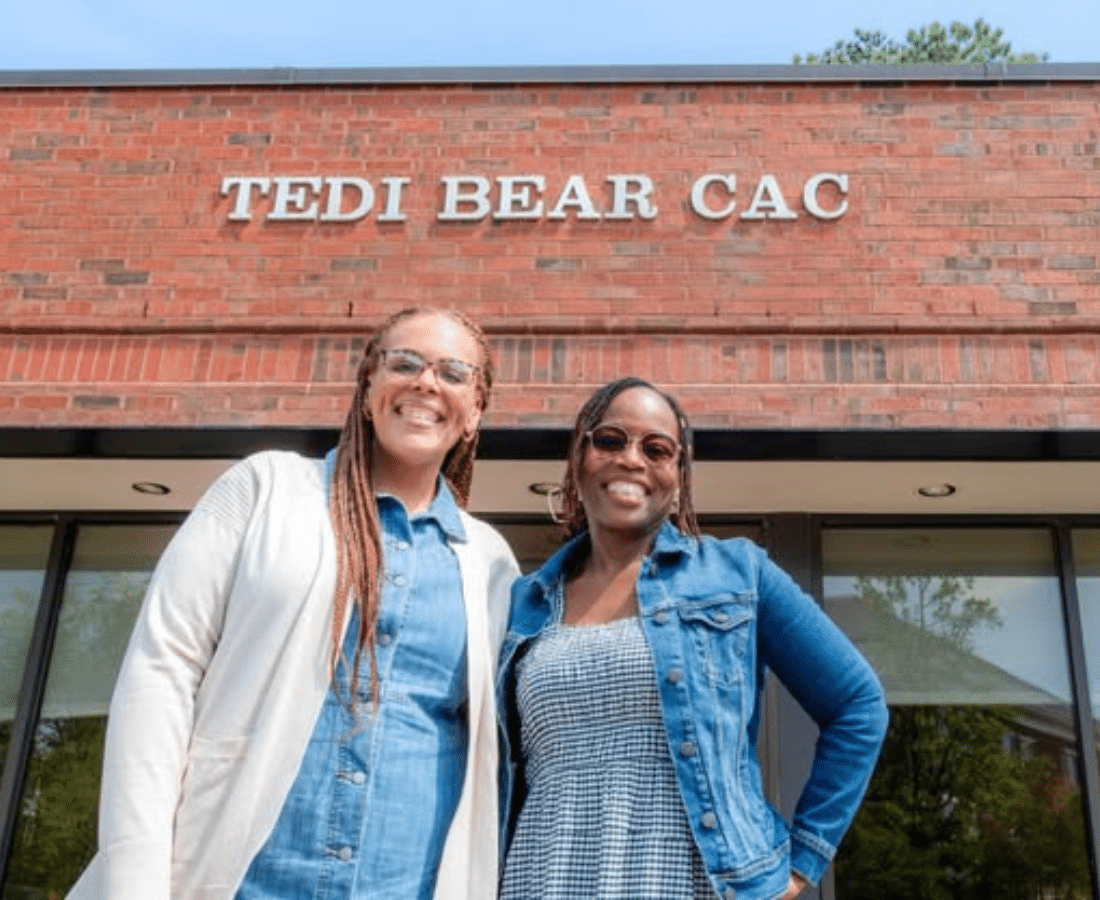
Blue and silver Pinwheels for Prevention adorned yards, clinics, daycares and other businesses in Greenville, eastern North Carolina and across the country throughout National Child Abuse Prevention Month in April. The pinwheels, meant to represent childlike whimsy and lightheartedness, are a signature display during the month-long campaign to raise awareness around a difficult and important topic.
For team members and supporters at ECU Health and the Brody School of Medicine at East Carolina University’s Tender Evaluation, Diagnosis and Intervention for a Better Abuse Response (TEDI BEAR) and Mt. Olive Children’s Advocacy Centers (CACs), the tireless effort to prevent child abuse in eastern North Carolina is a year-round endeavor.
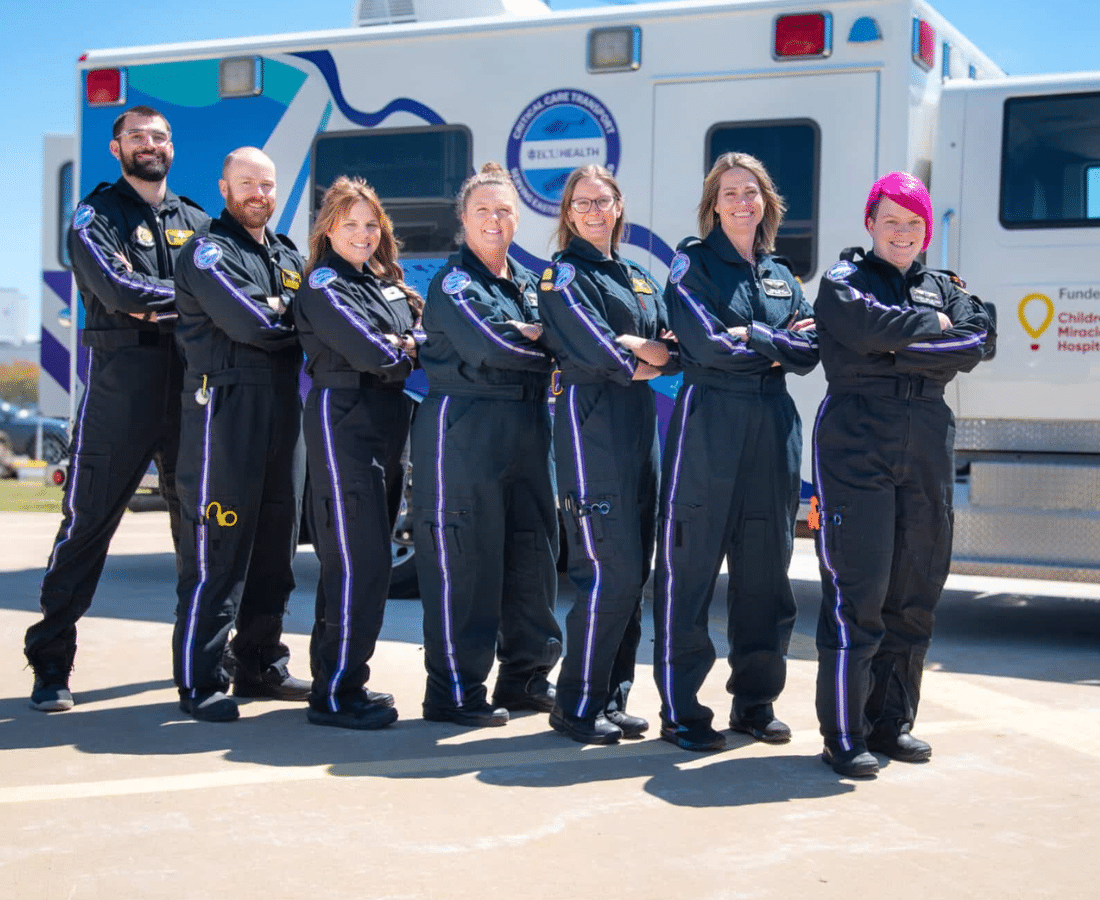
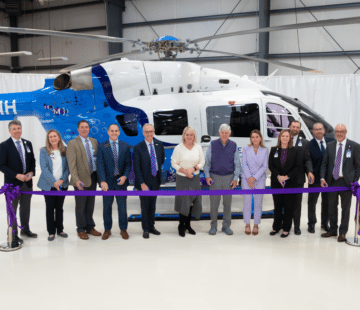
On Wednesday, April 16, ECU Health’s EastCare celebrated a remarkable milestone: 40 years of dedicated service to the communities of eastern North Carolina. Founded in 1985, the program has grown from a single helicopter operation to a comprehensive medical transport service, offering both ground and air transportation.
EastCare transports patients directly from the scene of an emergency or transfers them from regional hospitals to ECU Health Medical Center, ensuring that critically ill and injured patients receive timely and advanced medical care.
Today, the program operates seven aircraft, with five in use and two back-ups. With eight bases within the region — both ground and air — and 28 ambulances, coverage has expanded to include all of eastern North Carolina as well as parts of South Carolina and Virginia.
You can support the vital services EastCare provides by giving here.
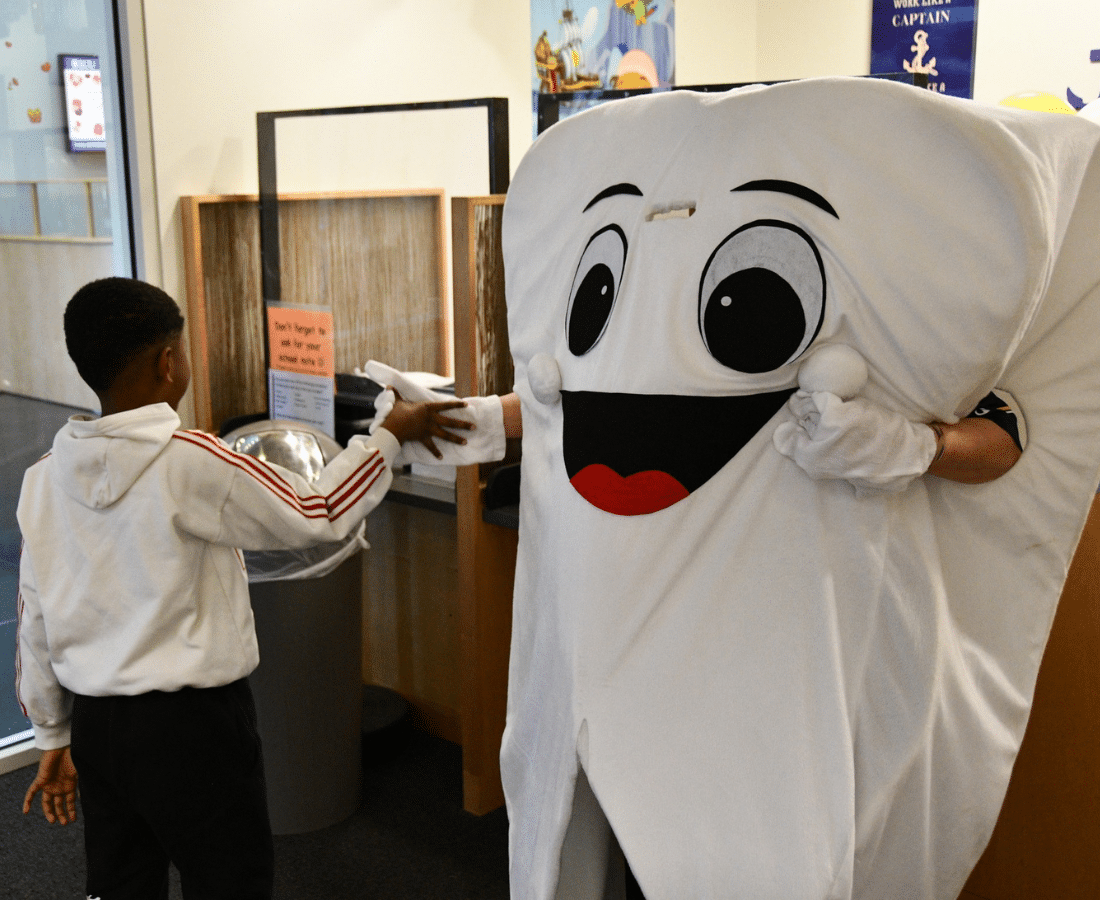

Led by its mission to provide assistance to those in need and to help support the community, the Service League of Greenville recently supported the ECU School of Dental Medicine with a $25,000 gift toward patient care funds and the Smiles for Veterans program.
In 2023, the Service League of Greenville established the Laughinghouse Patient Care Fund in the School of Dental Medicine to support dental care needs for Pitt County residents. The recent gift invests an additional $20,000 into the Laughinghouse Fund and directs $5,000 for the upcoming dental care day for veterans scheduled for December 7 at Ross Hall.
“The Service League sees the Patient Care Fund as a way to partner with the School of Dental Medicine to provide assistance to those who are in need of dental services,” said League President Cassie Causey.
The Service League of Greenville is known for its decades of support for health care initiatives and the education of health care providers. In 2018, the organization showed its commitment to health care education through endowed scholarships for students enrolled in the ECU School of Dental Medicine, the College of Allied Health, the College of Nursing, and the Brody School of Medicine.
The Service League of Greenville Scholarship Endowment has funded more than $105,000 in scholarships to students and will continue to provide scholarship support at the Brody School of Medicine, the School of Dental Medicine and the College of Allied Health. In spring 2024, the League created an endowment in the College of Nursing to establish the Service League of Greenville Nursing Scholars. This million-dollar gift will provide full tuition and fees for the academic year in which students receive the award.
During the dental school presentation, League President Cassie Causey and Becki Orr, Laughinghouse Chair, met dental students Riley Girdharry and Peyton Piscorik, recipients of the Service League scholarship.
“Meeting these two dedicated dental students brings to fruition the mission of the Service League and the vision of Dr. Laughinghouse to focus on philanthropy, assisting those in need and improving the health of the residents of Pitt County,” said Orr. “It is gratifying to know that we are providing dental services to patients who are receiving assistance from the Laughinghouse Patient Care Fund.”
Recipient Girdharry said that caring for patients through the Laughinghouse Patient Care Fund will enhance his clinical experiences. “It brings me much joy to know that ECU’s School of Dental Medicine has provided means to support Pitt County residents and other demographics in the area,” he added. “My time to start treating patients is quickly approaching and I couldn’t be more excited to utilize the Patient Care Fund and aid the members of the community. I want to thank the Service League of Greenville for supporting me towards a goal of upholding the School of Dental Medicine’s mission and allowing me to give back to the community that gave me so much.”

Access East is a 501(c)(3) that strives to improve health access to, and coordination of, quality care in eastern North Carolina. Access East serves as an important part of the ECU Health system of care, offering support for under- and uninsured individuals and helping navigate the health care system through service lines such as Access East Care Management, HealthAssist, ACA Navigators and Health Opportunities Pilot.
Out in the field
One such facet of their service comes through the Farmworker Program, which works not only to help enroll members of the ENC H-2A (temporary visa) farmworker community in low-cost insurance, but also to direct them to available community health care options, and to provide emergency medical training like wound care or cardiopulmonary resuscitation (CPR). In just under two months, the program has reached more than 2,000 farm workers.
Juan Allen, a community coordinator and Affordable Care Act (ACA) navigator for the program, plays a key role in helping the farmworker community receive the services and care it needs. “I’ve been with Access East for seven or eight years,” Juan said. “I was born and raised in El Salvador on a farm, which is what got me interested in doing this work.” The goal of the program, he said, is to help members of the migrant farming community prevent injuries and illness. “Last year we lost four farm workers to heat stroke, and someone else passed away because no one in the field knew CPR,” he explained.
“So, we go out to the farms and do CPR training, heat exhaustion and heat stroke education, Stop the Bleed training, education about tobacco sickness and anything else they need.” Juan said there is also skin cancer education and screenings, dental cleanings, mental health support and vaccines. “During COVID, we were coordinating vaccines, so that with providers’ help, we got 80-100 people vaccinated per day.”
Juan has also trained as an instructor for the Mental Health First Aid (MHFA) trainings, which is an evidence-based, early-intervention course that, virtually or in-person, uses community-specific scenarios, activities and videos to teach people the skills they need to recognize and respond to mental health and substance use challenges. The ECU Health Foundation awarded funding to Safe Communities Coalition, a non-profit that works alongside the Eastern Carolina Injury Prevention Program (ECIPP) to prevent injuries. “Juan has reached a population (farmworkers) that we have struggled to reach, yet we knew desperately needed the education,” said Sue Anne Pilgreen, the executive director for the Safe Communities Coalition, the manager of the ECIPP and the manager of the Pediatric Asthma Program. “This past fiscal year, we have trained a total of 196 people in MFHA, and 92% felt like they could recognize someone who was suicidal after completing the class.”
“Juan is one of the hardest workers I know,” said Shantell Cheek, the director of Access East. “He has a passion to really help those who are underserved, and he is a true link between Access East, ECU Health and the Farmworker Program.” Wherever there is a need, she said, Access East and the Farmworker Program is there.
The program, which initially was established to help H-2A workers get visas and enroll in the ACA, has grown significantly. “We still do the ACA enrollment,” Cheek said. “But Juan provides care coordination, and different entities like the North Carolina Department of Health and Human Services and the North Carolina Growers Association partner with us. We now help these individuals get medications they need, assist them when they go to the hospital and are being discharged, set up with primary care providers and provide the education like CPR and skin cancer. And it’s not just the migrant workers; it’s their families too. Wherever there is a need, anywhere across the state, they call Juan.”
Partnering with the Brody School of Medicine
She emphasized that Juan tirelessly creates partnerships with regional and community organizations. Shantell also highlighted Access East’s, and Juan’s, ongoing collaboration with East Carolina University’s Brody School of Medicine. “During their first or second year of medical school, students can select a project to work on and Juan’s name often comes up when they mention an interest in the communities we serve.”
Deanna Torres, a second-year medical school student at the Brody School of Medicine, worked with Juan this past summer as a part of a project required of the school’s four Distinction tracks. Deanna opted to apply for the Service-learning track, which is what led her to Access East. The other tracks include Health System Transformation and Leadership, Medical Education and Teaching and Research.
Deanna said she has always had a passion for grassroots community service. “I’m undecided on my specialty right now, but I know I want to help underserved, minority populations.” Deanna grew up participating in a variety of community service activities, including a medical mission to Honduras and a Benedictine Volunteer Corps trip to the Rosebud Indian Reservation in Mission, South Dakota. Once she entered medical school, Deanna continued her journey in service by joining the Service-learning track. “It isn’t required to join a track,” Deanna explained. “But when I was applying to medical schools, the Service-learning track was a major factor in deciding to come here.”
Students in the Service-learning track work extensively with medically-underserved, marginalized and rural populations during their medical school career. They attend a lecture series specific to that track, but they are also required to participate in a service-learning internship during the summer after their first year of medical school. “We select an organization to partner with, and then we create a longitudinal service-learning project aligned with that organization,” Deanna said. While the internship only lasts a summer, the students’ work on their projects continues until they graduate.
Making a difference
With Juan as her mentor, Deanna said she gained an insider’s perspective on a migrant farmworker’s daily life. “I saw how migrant farmworkers are processed after entering the country. I saw how farms are laid out, and I got to see their living conditions, which aren’t always great. I’ve lived in North Carolina my whole life, and I didn’t know how many farmworkers we have in this region or what their needs were.” This exposure led Deanna to her project’s focus, which is “Increasing Mental Health Services to Hispanic Migrant Farmworkers in Pitt County.” The migrant workers, she discovered, often struggle with mental health issues, like depression. “They leave their home country and their families, work in the heat and have no car or independence, and that can be challenging. I want to advocate for the lack of awareness and communication about mental health in the Hispanic community,” Deanna said.
Juan has been instrumental in helping Deanna make the connections and partnerships necessary to work on her project. “He’s a popular man,” she laughed. “Any time I mention Access East, everyone knows him.” Deanna said she appreciated Juan being willing to mentor her, despite his busy schedule. “As a medical student, it can feel daunting to reach out because everyone is busy, but he was always available and offered me resources, took me to the farms and provided logistics. He knows all about these things.”
Dr. Jennifer Crotty, a pediatrician and an associate professor in the Department of Pediatrics at the Brody School of Medicine, as well as the director of the Service-learning distinction track, facilitates connections between students in the Service-learning track and community partners. “The track primarily focuses on local impact and grassroots efforts,” Dr. Crotty said. Of how she came to direct this specific track, she cited her background in pediatrics. “I realized that to have healthy children, we need healthy families and communities,” she said. “That’s why we want to do this advocacy work.” Access East has been a significant partner in this work. “Access East addresses the things we know need to be addressed. When students work with them, they see the time and energy and resources it takes to do medicine in these rural communities.” While she has never met Juan personally, she knows her students get a great experience when they work with him. “He always finds a place for our students, and the students always say their experience was amazing.”
This work is valuable, Deanna said, because it puts a face and name to abstract medical concepts students learn in school. “It puts a story to what you’re learning,” she said. “It shows us that a patient isn’t just one disease, but they are dimensional, and it helps us be better physicians who treat in a holistic manner. This community needs us to advocate for them.” Dr. Crotty agreed, saying that having students participate in these service learning partnerships through ECU Health make them better physicians, no matter what specialty they choose. “They take the knowledge they gained through service learning to wherever they’re going. I love that someone in their surgery residency is thinking about whether their patient has enough food at home. We graduate good doctors because our students are exposed to these types of things, and they know how to handle it.” Juan said that ultimately, this work gives migrant farmworkers a voice. “They’re only here for eight months and they don’t know their rights,” he said. “Access East is vital to reach out to farm workers so we can be a go-between them and the health system.”
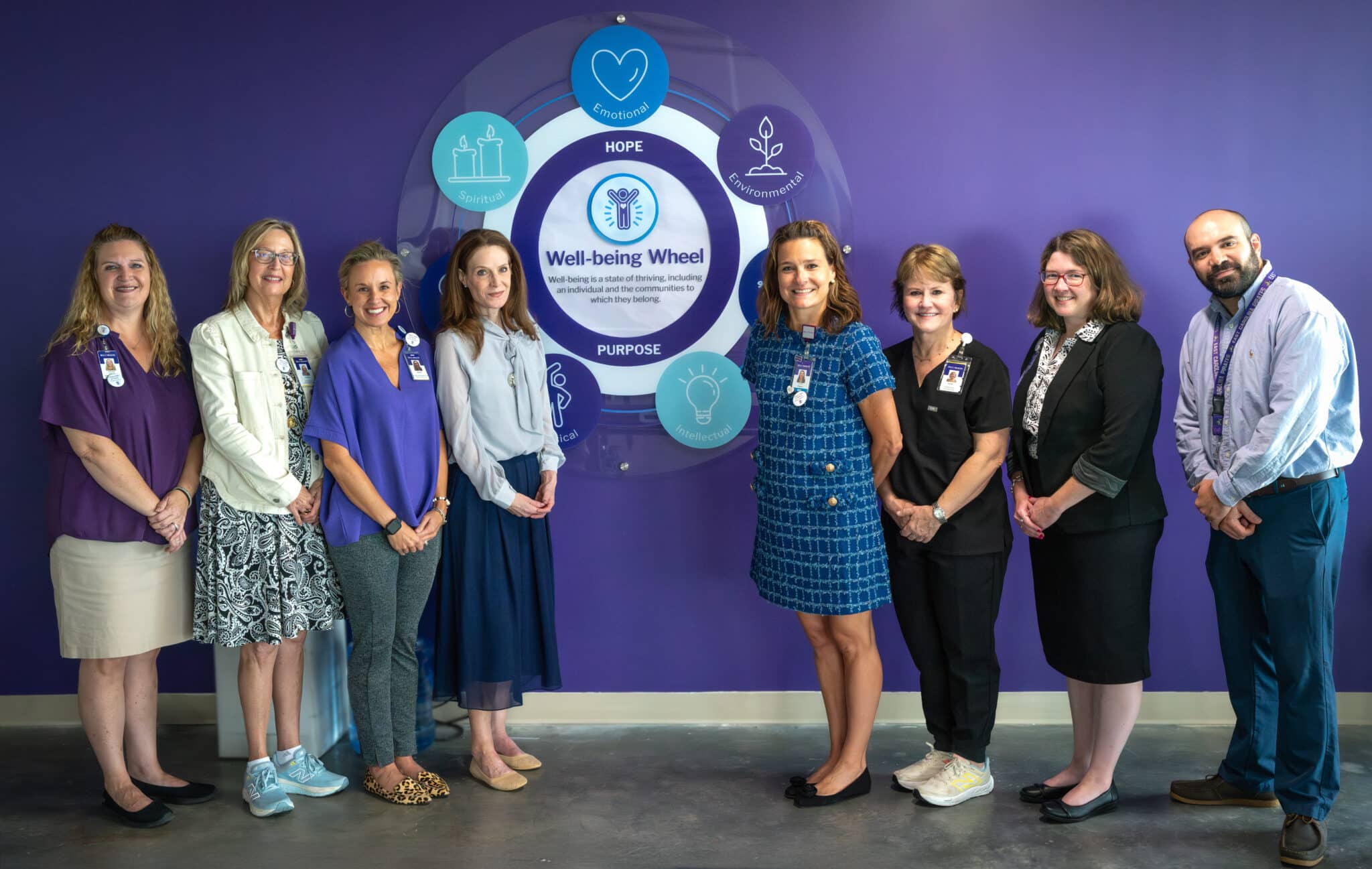
Healthy snacks, well-being resources, a mindful walking trail and more were all on display at ECU Health Medical Center’s new Resident Well-Being Zone as part of a recent pop-up event hosted by ECU Health’s Well-Being team.
Resident physicians from across the Medical Center were invited to the pop-up event as a way of showcasing the new space, intentionally designed to support their well-being as they continue in their journey in medical education.
The pop-up event, according to Dr. Christina Bowen, ECU Health’s chief well-being officer, is an important way of ensuring residents are aware of the resources available to them at ECU Health.
“We are thrilled to have a resident well-being zone and to be able to offer something unique and purposeful to our resident physicians, who play such an important role here at ECU Health Medical Center,” said Dr. Christina Bowen, Chief Well-being officer at ECU Health. “The pop-up events are a fun way to get our resident physicians engaged in well-being and mindfulness which we know will benefit them during their time here at ECU Health. Our team is excited to be able to host well-being events throughout the year.”
Located on the sixth floor of the Eddie and Jo Allison Smith Cancer Center at ECU Health Medical Center, the Resident Well-Being Zone officially opened in August after years of thoughtful design and funding provided by the ECU Health Foundation. The space is filled with all the essentials a resident may need: exercise equipment, charting space, healthy snacks, coffee, even a ping-pong table and more.
Dr. Cole Carter, a fourth-year physical medicine and rehabilitation resident, said the pop-up event and the space itself have proven to be a welcome asset in the resident experience at ECU Health.
“I think it’s great,” Dr. Carter said, noting that his favorite part of the space is the ping-pong table. “It’s a great place to check out when you need a break from the busy schedule. You can get a great view of Greenville and just take time to relax. I try to come up here once a month or so. This is a great asset for our residents and for those who may be looking for a residency program.”
Dr. Mary Catherine Turner, interim associate dean of Graduate Medical Education, understands first-hand the value of a Resident Well-Being Zone. She said she was fortunate to have one during her time as a resident physician, and it helped her take a break, refresh her mind and get re-engaged in the mission-driven work of providing high-quality health care. Now, she is excited that current and future resident physicians get to experience a similar benefit as they care for patients and continue to learn at one of the busiest academic medical centers in the nation.
“A space like this is important for residents,” Dr. Turner said. “Residents need a place where they can go and disconnect from their work for a little bit and reconnect with themselves. And importantly this is a place where residents can congregate together. I think there’s a lot that can be said for building a community, and this allows them the space to do that.”
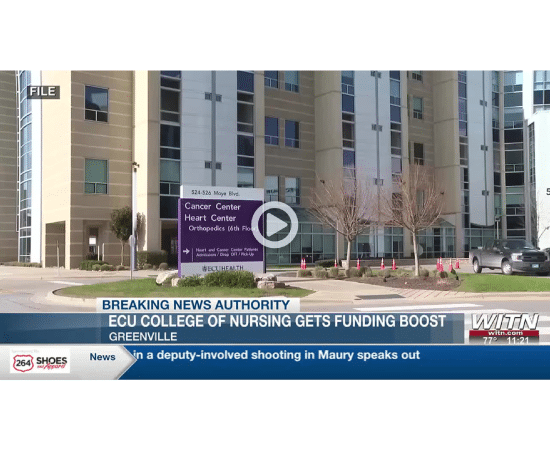
East Carolina University’s College of Nursing has received a significant investment of $3 million from the state of North Carolina to increase the number of entry-to-practice nurses who graduate from the college’s undergraduate program.
Of the nine UNC System schools that applied for, and received, funding increases to support their baccalaureate nursing programs, ECU received more than any other program, a signal of the state’s confidence in the College of Nursing’s capacity to graduate the most competent and practice-ready entry-to-practice nurses in the state.
“This is a huge investment in our program, and I think it will be a turning point in the history of Pirate nursing,” said Dr. Bim Akintade, dean of the College of Nursing.
In the current fiscal year, the college will receive $1,125,000 to expand the undergraduate program, with a further $1,875,000 projected to be transferred by May 2025.
In 2023, the college graduated 231 entry-to-practice nurses who achieved a 99.57% first-time pass rate on the National Council Licensure Examination (NCLEX), which nursing school graduates must take before becoming licensed to practice.
College leaders are working on details about the number of new students who will be admitted and the number of faculty needed to support that growth but acknowledge that more students will require more teachers.
“Our current faculty have proven they know how to prepare nursing students to become nurses,” Akintade said. “I have complete confidence that our team will use this funding to bring more world-class instructors into our classrooms and clinical spaces.”
“Our students learn an incredible amount in the classroom, but clinical rotations with a live patient and preceptors providing real-time feedback is where the student nurses learn how to be nurses,” said Dr. Shannon Powell, associate dean for academic affairs and an associate professor of nursing.
The college offers several education tracks for its graduates: a traditional undergraduate program, an accelerated BSN program for students who already have a bachelor’s degree, and a partnership with 17 eastern North Carolina community colleges to help registered nurses transition to their BSN degrees.
The need for nurses in North Carolina is great. Projections from the UNC Program on Health Workforce and Research show that by 2033, there will be a shortage of at least 12,500 registered nurses, overburdening an already overtaxed health care workforce, particularly in rural and underserved areas of the state.
In 2023, the College of Nursing signed an agreement with ECU Health to expand the number of nurses in North Carolina through an academic-practice partnership. More than two dozen student nurses recently graduated from a nurse extern program that placed them in clinical settings for eight weeks to gain skills and insights they will use once they graduate.
“Everyone understands that this is an all-hands-on-deck situation. We owe it to our families, friends and neighbors to make the most of this investment in the future of Pirate nursing,” Powell said.
ECU is once again achieving high marks for their Nursing program with a re-accreditation.
According to ECU Health the Nurse Residency Program at ECU Health Medical Center recently achieved re-accreditation from the American Nurses Credentialing Center’s (ANCC) Commission on Accreditation Practice Transition Programs (PTAP) until July 2028. ANCC Practice Transition Accreditation validates hospital residency or fellowship programs that transition registered nurses (RNs) and advanced practice registered nurses (APRNs) into new practice settings which must meet rigorous, evidence-based standards for quality and excellence.
Trish Baise, DNP, RN, NEA-BC, FACHE, chief nursing executive, ECU Health says, “I am proud to recognize and celebrate the incredible contributions of our ECU Health nurses who exemplify the mission, vision and values of ECU Health through their exceptional care in our hospitals and clinics.The Nurse Residency Program at ECU Health Medical Center plays a crucial role in recruiting and retaining excellent nurses that are passionate about serving eastern North Carolina. I take pride in our ECU Health nursing community, and I am grateful to every nurse who chooses ECU Health as their professional home.”
ECU Health Medical Center accredited transition programs try and promote continued learning skills for Nurses to deliver safe, professional high-quality care.
Takisha Williams, DNP, RN, NPD-BC, nursing education specialist and director of the Nurse Residency Program at ECU Health Medical Center concludes saying, “ECU Health takes great pride in the Nurse Residency Program being acknowledged by ANCC as a premier transition program for nurses. Our program is grounded in evidence-based practices to foster exceptional nursing care. ANCC accreditation provides nurse residents and fellows with confidence in our program, ensuring a structured path to development, rigorous evaluation methods and measurable learner outcomes.”