
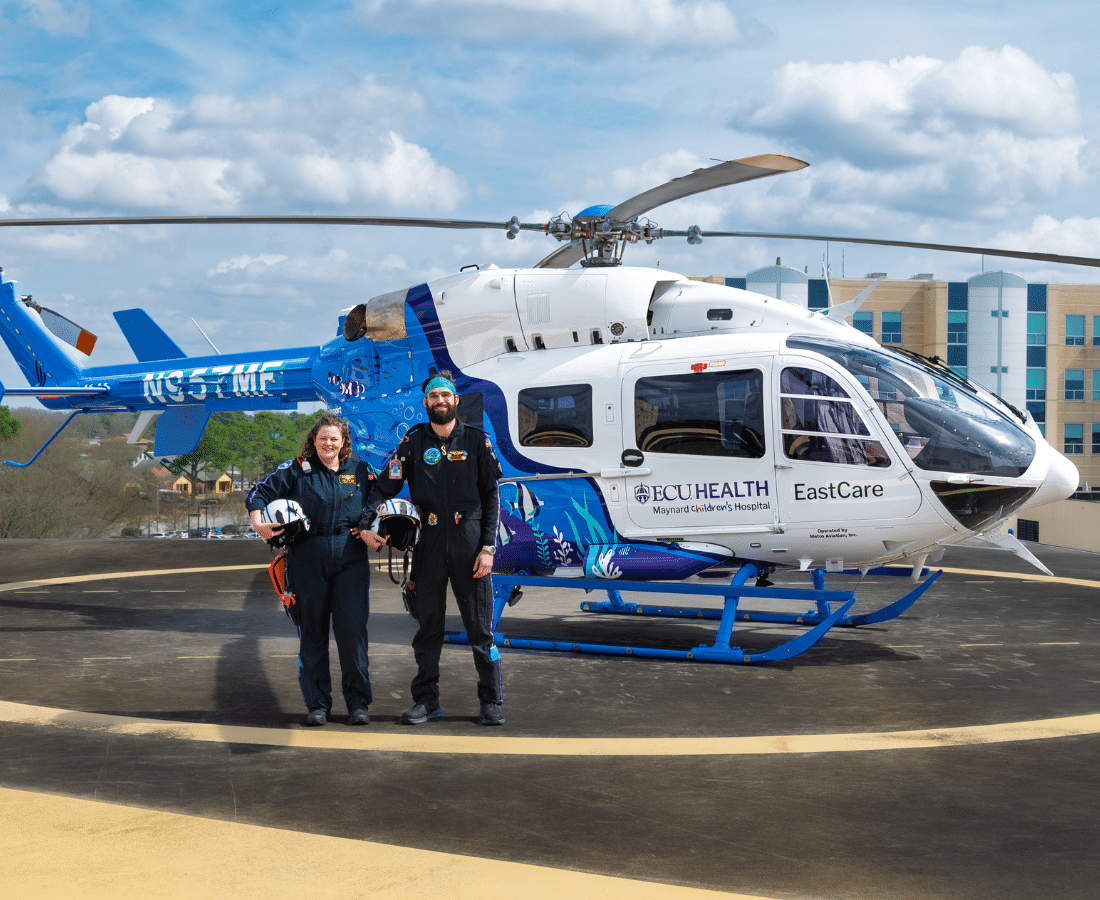
In February, ECU Health, James and Connie Maynard Children’s Hospital at ECU Health Medical Center and EastCare unveiled North Carolina’s first and only dedicated helicopter for pediatric and neonatal transport. This helicopter advances a longstanding legacy of high-quality, family-centered pediatric care across eastern North Carolina.
The Children’s Transport Team has grown from serving approximately 200 neonatal patients annually to nearly 1,200 neonatal and pediatric transports each year, with specialty-trained clinicians delivering care in the field. Equipped for the smallest patients, the Airbus EC145 C-2 features donor-supported technology, including pediatric ventilators, specialty stretchers, cooling blankets, isolettes and a video-assisted laryngoscope, creating a true mobile ICU in the sky.
In the first 31 days of operation, the helicopter completed 40 transports, equal to 25% of all air transports in 2025, expanding access to rapid, specialized care across the region when it matters most.
“One third of the children we transport are premature or neonatal infants, many of whom need highly-specialized care,” said Dr. Matthew Ledoux, pediatrician in chief at Maynard Children’s Hospital and chair of pediatrics at the Brody School of Medicine at East Carolina University.
“This new helicopter gives us the ability to reach these babies faster, stabilize them sooner and deliver ICU level care from the very first moments of transport. It is truly a game changer for pediatric and neonatal outcomes in eastern North Carolina.”
This dedicated aircraft strengthens a decade-long pediatric transport partnership and represents a major step forward in delivering faster response, earlier stabilization and improved outcomes for children and families across eastern North Carolina.
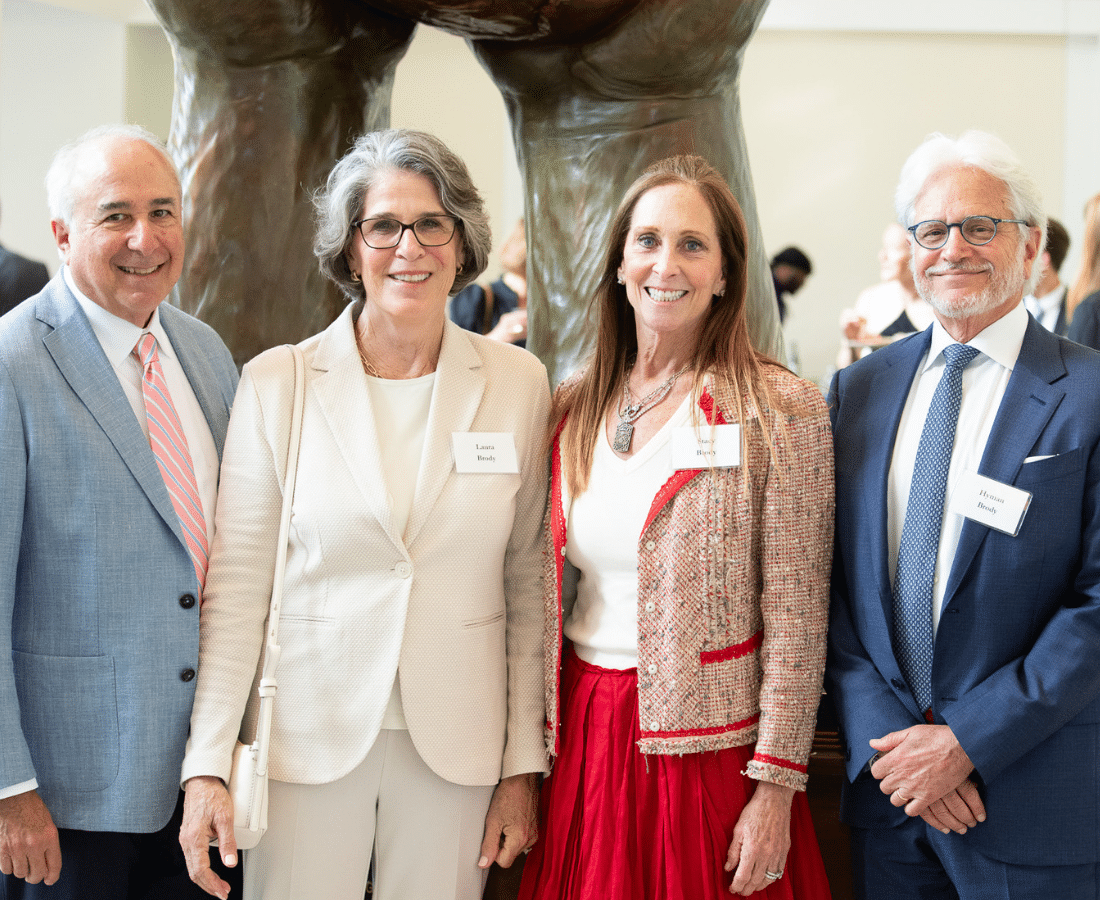
A transformational $10 million gift from the Brody family will expand the Brody Scholars Program, North Carolina’s premier medical school scholarship, creating new opportunities for future physicians committed to serving communities across the state. This investment strengthens the Brody School of Medicine’s mission to increase the supply of primary care physicians, particularly in rural and underserved areas, while advancing a proven pathway for training community-focused, service-driven clinicians.
The impact is far-reaching, reducing financial barriers for students, strengthening the pipeline of highly trained physicians and supporting long-term improvements in health outcomes across North Carolina. Current Brody Scholars point to expanded opportunities, experiences and access made possible through this generosity.
The Brody Scholars Program completely covers academic costs for medical students, who are selected through an objective process coordinated by the Brody Scholars Steering Committee, who seek to award the scholarship to the ‘best of the best’ of the incoming class. The school’s commitment to the scholars totals approximately $133,000 annually, or nearly $500,000 a year per class to cover the financial cost of attendance.
As Brody Scholar Christian Smallwood, ’27 shared, “The Brody Scholars Program impacts a lot more than the students. The program impacts the community and all of eastern North Carolina, and I am so thankful for their gift, which allows me and my classmates to make a difference in this community. It’s pretty special, and I take pride in being a part of this program.”
In recognition of this extraordinary generosity, the new Center for Medical Education, opening in fall 2027, will be named the Brody Center for Medical Education, honoring a legacy of philanthropy that will benefit patients and communities for generations.
Click here to watch a special video from current Brody Scholars.
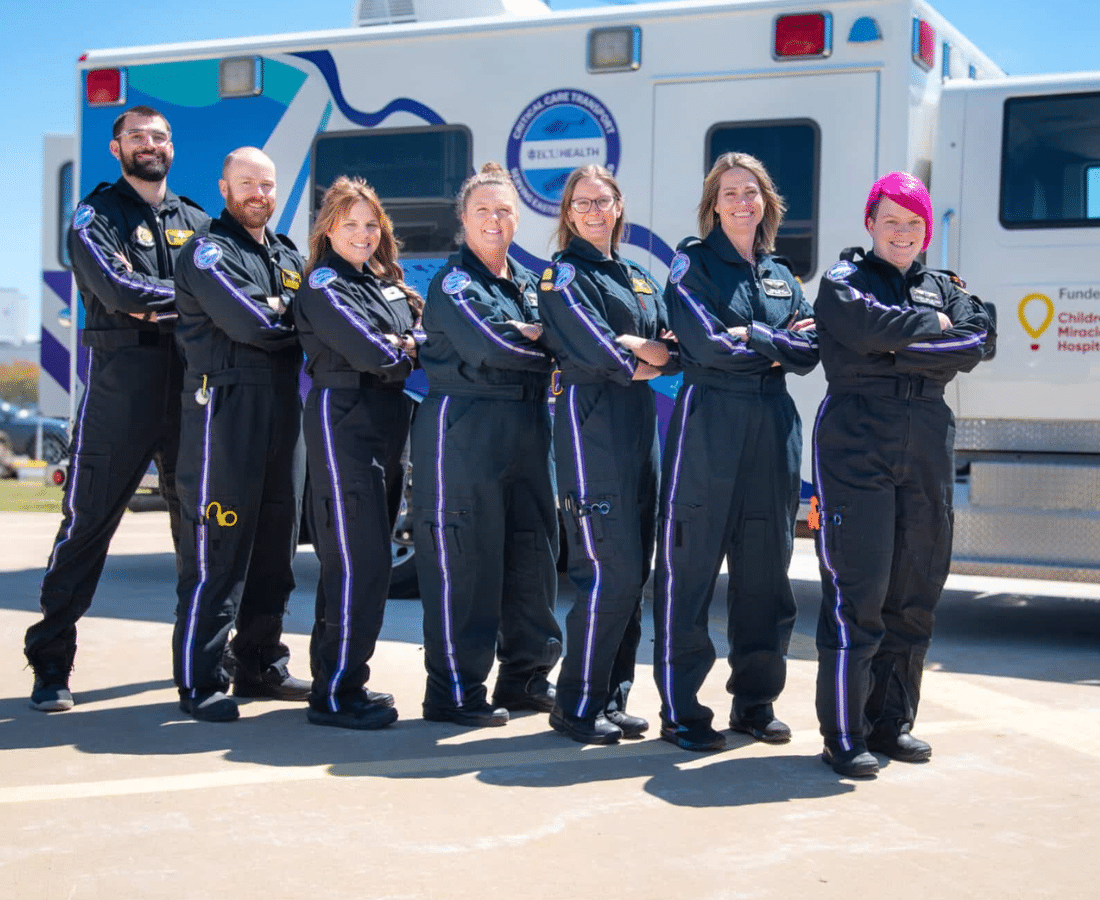
On Wednesday, April 16, ECU Health’s EastCare celebrated a remarkable milestone: 40 years of dedicated service to the communities of eastern North Carolina. Founded in 1985, the program has grown from a single helicopter operation to a comprehensive medical transport service, offering both ground and air transportation.
EastCare transports patients directly from the scene of an emergency or transfers them from regional hospitals to ECU Health Medical Center, ensuring that critically ill and injured patients receive timely and advanced medical care.
Today, the program operates seven aircraft, with five in use and two back-ups. With eight bases within the region — both ground and air — and 28 ambulances, coverage has expanded to include all of eastern North Carolina as well as parts of South Carolina and Virginia.
You can support the vital services EastCare provides by giving here.



East Carolina University is now an R1 research institution, a designation given to the top research universities in the U.S. by the American Council on Education (ACE) and Carnegie Foundation for the Advancement of Teaching.
This is the highest level of research excellence, awarded to schools with the most funding, faculty-led research and graduate programs, placing ECU among 5% of institutions in the nation that hold the R1 designation. ECU is one of five institutions in North Carolina and among 187 across the country designated as R1.
On Wednesday, ECU celebrated the recent designation.
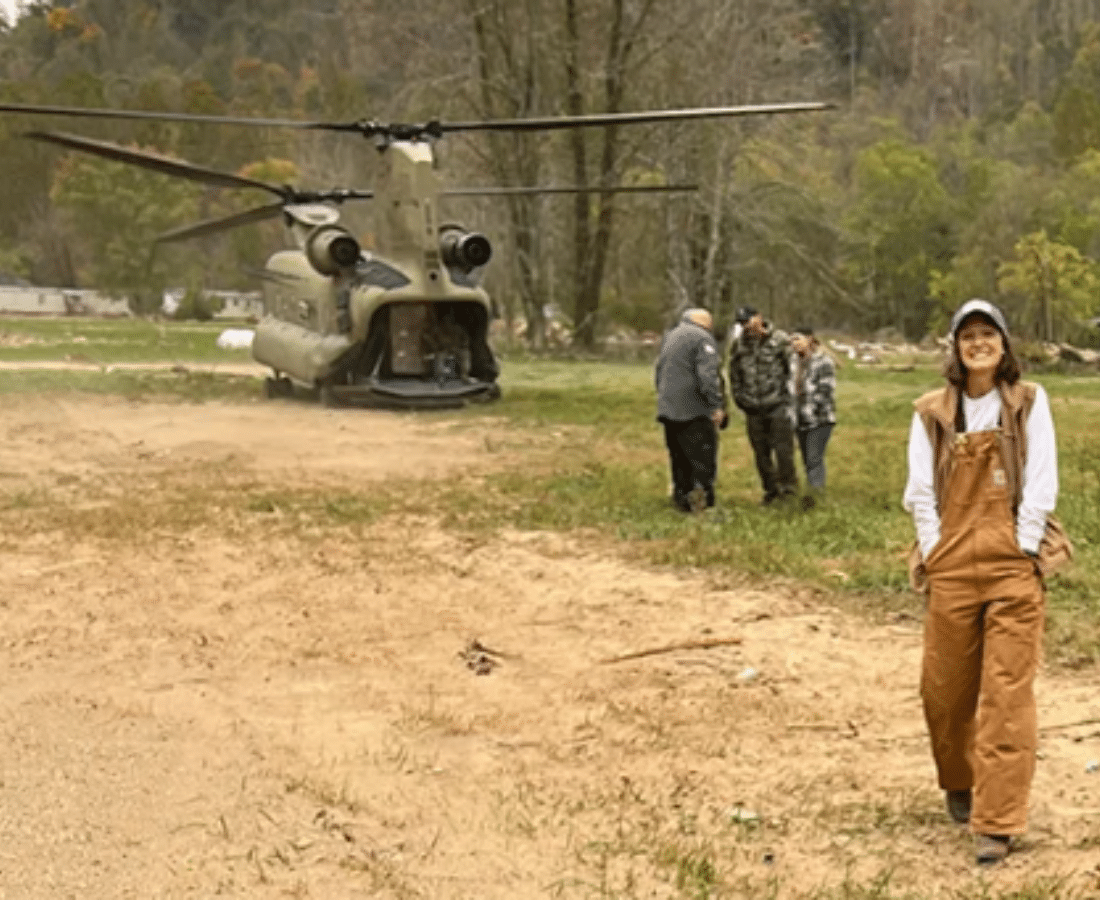
When Hurricane Helene rolled into western North Carolina in late September, Pirate nurses — from the mountains to the coast — dropped what they were doing and rushed to storm-ravaged western North Carolina to do what Pirates do best — provide service to those in need with the critical skills they had learned at East Carolina University.