
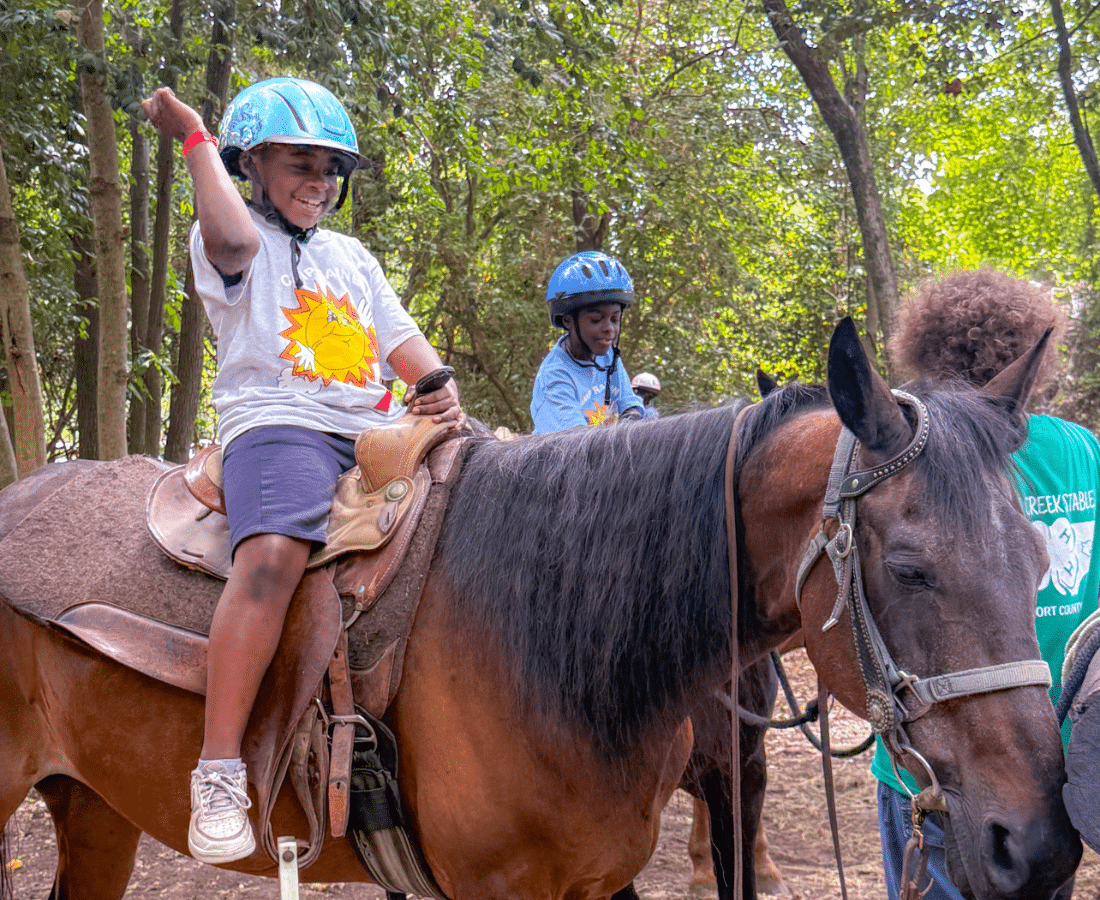
For more than four decades, Camp Rainbow and Camp Hope have given children with serious health conditions something rare: the chance to simply be kids.
Camp Rainbow, which began in 1982, and Camp Hope, established in 1991, serve children across eastern North Carolina with complex medical needs. Camp Rainbow welcomes children with cancer, hemophilia and other chronic bleeding disorders, while Camp Hope is designed specifically for children with sickle cell disease.
Behind the scenes, a dedicated team from ECU Health and the Brody School of Medicine at East Carolina University’s Pediatric Hematology/Oncology division, comprised of nurses, physicians, child life specialists, social workers and volunteers ensures campers are supported around the clock.
Camp Rainbow and Camp Hope are offered free of charge to children with chronic illnesses and were made possible this year by generous support and donations to the ECU Health Foundation and from Children’s Miracle Network, the Pamlico Neuse Women’s Coalition, the James and Mamie Richardson Perkins Trust, the Mildred Sheffield Wells Charitable Trust, Jalen’s Nation, Beau’s Buddies and other individuals and civic organizations.

ECU Health’s Office of Community Health is expanding its summer meals program in partnership with Food Lion Feeds, Sodexo and the ECU Health Foundation, adding three new locations to bring nutritious meals to kids while school is out. The summer meal program will be offered in six eastern North Carolina communities — Ahoskie, Greenville, Tarboro, with new locations in Edenton, Roanoke Rapids and Windsor.
Meals will be available Monday through Thursday from 11:30 a.m. to 1 p.m. with the following dates and locations:
- Ahoskie: The Gathering Place, 701 Church St., June 8-Aug. 20
- Edenton: Shepard-Pruden Library, 106 W. Water St., June 8-Aug. 20
- Greenville: York Memorial AME Zion Church, 201 Tyson St., June 15-Aug. 20
- Roanoke Rapids: East 10th Street Christian Church, 1207 E. 10th St., June 8-Aug. 20
- Tarboro: Braswell Community Center, 1501 Western Boulevard, June 8-Aug. 20
- Windsor: Bertie Cooperative Extension, 104 Lancaster Avenue, June 8-Aug. 20
Since 2021, ECU Health and its partners have provided free meals over the summer. In 2025 alone, the program served more than 4,500 meals.
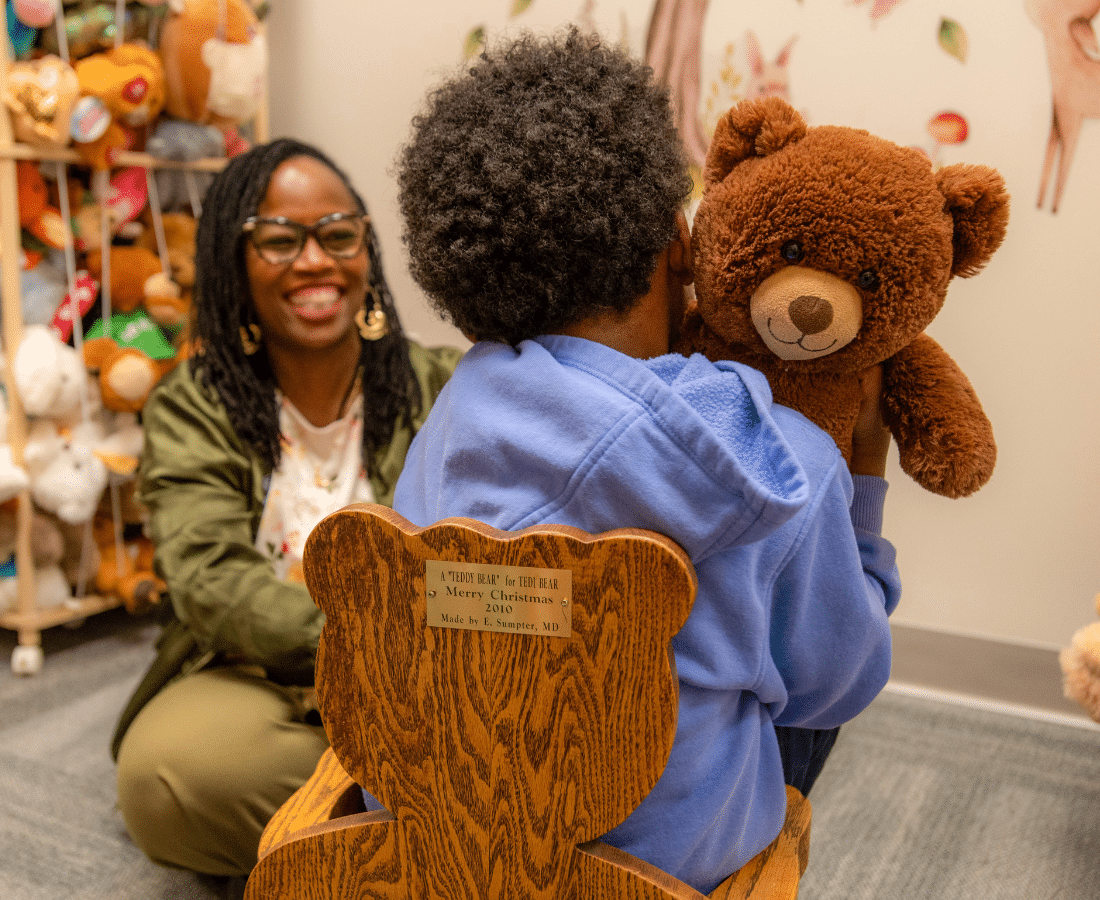
The newly dedicated room in memory of Ann Parsons inside ECU Health’s Tender Evaluation, Diagnosis and Intervention for a Better Abuse Response (TEDI BEAR) Children’s Advocacy Center is filled with toys, games, puzzles, books and, of course, teddy bears, all designed to create a safe environment for children in crisis. For those at the clinic, dedicating the room to Parsons’ memory symbolizes her legacy as a nurse practitioner who committed decades of her life to supporting thousands of pediatric patients.
TEDI BEAR is a partnership between the Department of Pediatrics at the Brody School of Medicine at East Carolina University and James and Connie Maynard Children’s Hospital at ECU Health Medical Center that serves children from birth through 18 who may be victims of abuse. TEDI BEAR and the Mt. Olive Children’s Advocacy Center in Duplin County are valuable resources for families in eastern North Carolina, an underserved region with few behavioral health options for children and adolescents. TEDI BEAR provides forensic interviews, medical evaluations, child advocacy and specialized therapy designed to help children heal from trauma.
Civic groups, individual benefactors and partners like the ECU Health Foundation play a critical role funding the TEDI BEAR Children’s Advocacy Center to give kids in crisis a space to be kids. Recently, TEDI BEAR and the Center for Child and Family Wellness (CCFW) came together under one roof, creating a more connected, compassionate space for healing, prevention and hope. Donor support provides funding for these critical children’s programs.
For more information about how you can support TEDI BEAR, please contact the ECU Health Foundation at 252-847-5626 or click here and complete the form.

ECU Health is proud to announce $2.6 million in grants awarded by The Duke Endowment for projects that will help advance the health system’s mission to improve the health and well-being of eastern North Carolina. The grants include: $600,000 to expand and integrate the Healthier Lives at School and Beyond program into ECU Health’s electronic health record and $1,295,065 to participate as a site for the Bridge to Health Initiative. An additional $710,000 was awarded to ECU Health’s Primary Care Learning Center.
“The Duke Endowment’s support allows ECU Health to launch and bolster existing programs that will make a meaningful difference in the lives of people across eastern North Carolina,” said Dr. Scott Senatore, chief philanthropy officer, ECU Health Foundation. “These grants help us expand access to care, strengthen our clinical workforce and address long standing barriers that impact health outcomes in our region. We are honored by this investment and energized by the opportunity to build healthier communities together.”
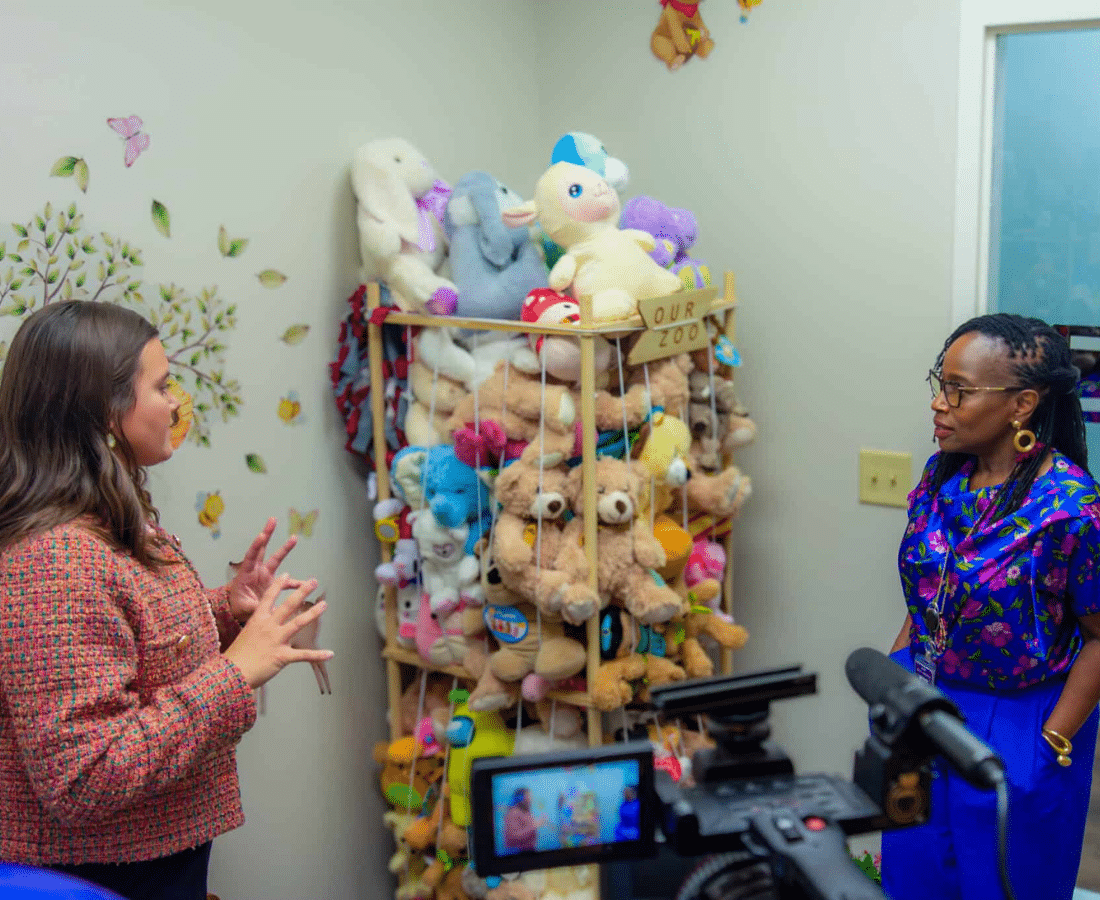
In April 2026, during Child Abuse Prevention Month, we celebrated an important new chapter for children and families across eastern North Carolina. ECU Health’s TEDI BEAR Children’s Advocacy Center and the Center for Child and Family Wellness (CCFW) officially came together under one roof, creating a more connected, compassionate space for healing, prevention and hope.
TEDI BEAR Children’s Advocacy is the largest advocacy center in North Carolina, caring for more than 900 children from 31 counties in eastern North Carolina annually. Providing a full spectrum of assessment, treatment, education and prevention for children who may have been victims of child abuse or neglect, TEDI BEAR provides specialized, trauma-informed care that helps reduce fear and uncertainty during an incredibly vulnerable time. Standing for Tender Evaluation, Diagnostic and Intervention for a Better Abuse Response, the center is a partnership between the Department of Pediatrics at the Brody School of Medicine and Maynard Children’s Hospital.
At the same time, the CCFW continues its important work focused on prevention, helping children stay healthy, safe and out of the hospital through programs centered on injury prevention, safe sleep, suicide prevention, asthma education and school health initiatives.
Together, these teams are creating a coordinated network of care that supports not only individual children, but entire families and communities throughout our region. Because of generous donors and community partners, children who walk through these doors are met not only with expert care, but with comfort, dignity and hope for the future.
For more information about how you can support TEDI BEAR, please contact the ECU Health Foundation at 252-847-5626 or click here and complete the form.

A program at the Brody School of Medicine at East Carolina University that prepares high achieving medical students to make a tangible impact on health care in eastern North Carolina and beyond will expand thanks to the generosity of the family that has championed medical education across the region for nearly 50 years.
David and Laura Brody of Raleigh, and Hyman and Stacy Brody of Greenville’s transformational $10 million gift will allow the Brody Scholars Program at the Brody School of Medicine at ECU to expand. It coincides with the looming completion of the newly named Brody Center for Medical Education, which is expected to open in the 2027-28 academic year.
The family’s gift was announced in March by East Carolina University and ECU Health Foundation. The family’s name will now grace the upcoming Brody Center for Medical Education in honor of their generosity.
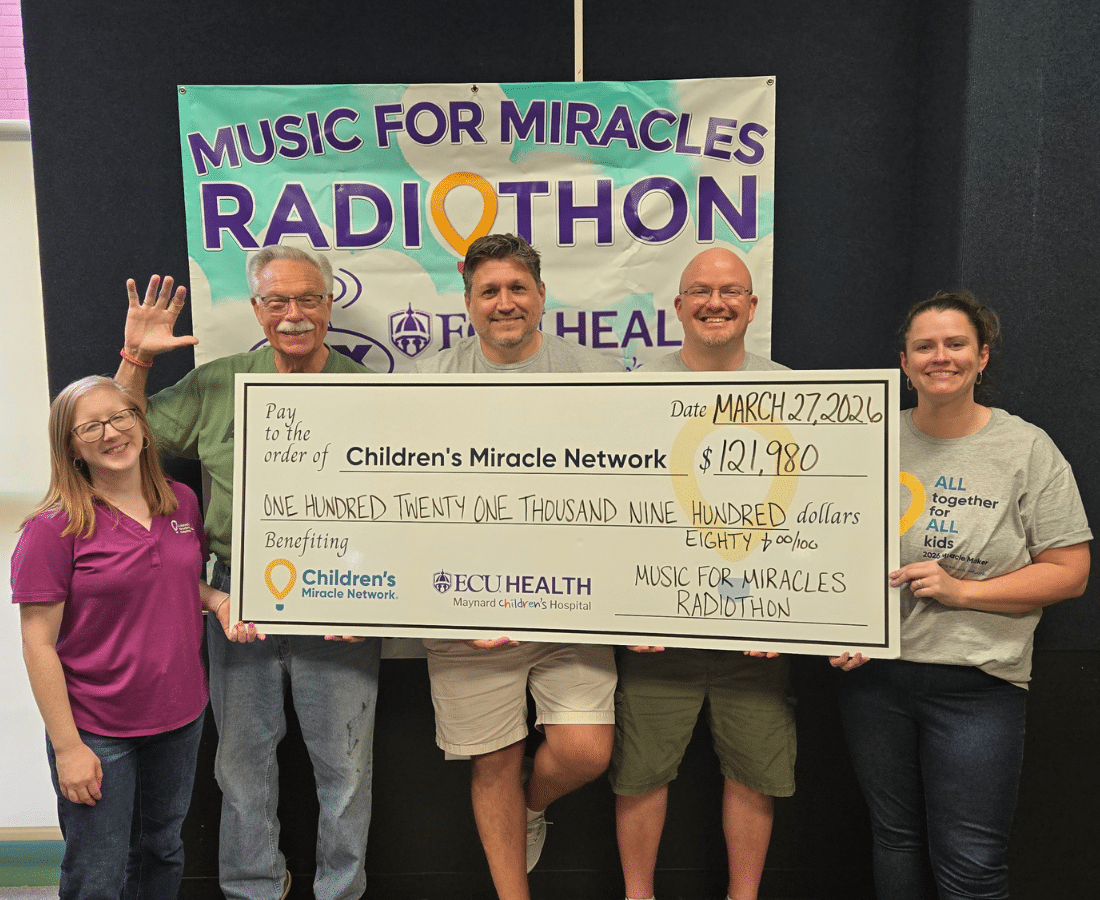
Listeners from all over the East phoned in their support for children and raised $121,890 during the 29th annual Music for Miracles Radiothon on 107.9 WNCT and all Inner Banks Media stations. Since its inception in 1998, the radiothon has now raised over $4.1 million, directly enhancing James and Connie Maynard Children’s Hospital’s programs and services.
“Each year, I am touched by the extraordinary generosity of this community,” said Elise Ironmonger, Director of Programs for ECU Health Foundation and Children’s Miracle Network of Greenville. “Their steadfast dedication to improving health care for children across eastern North Carolina continues to inspire me. I’m also so grateful to the families who bravely share their stories — these children truly are miracles. It’s an honor to highlight the exceptional care they’ve received at Maynard Children’s Hospital.”
This year’s radiothon aired on all Inner Banks Media radio stations on March 26 and 27. In addition to 107.9, participating stations included: Talk 96.3 and 103.7; Oldies 94.1 and 102.7; and 94.3 The Game.
All funds raised through Children’s Miracle Network (CMN) events like the radiothon are allocated entirely to supporting programs and services at Maynard Children’s Hospital. These contributions help procure life-saving medical equipment, enhance educational opportunities for patients and staff, provide comforting resources for children and develop new, state-of-the-art facilities. This year’s radiothon included a $20,000 match from Craig Goess and Greenville Toyota.
“For 29 years now, the generosity of our listeners has allowed us to raise funds for this great hospital,” said Henry Hinton, president, Inner Banks Media. “I’m so appreciative to all who tuned in and offered their support to the sick and injured children of eastern North Carolina. This year’s successful radiothon is something I am really proud of.”
Children’s Miracle Network is a fundraising program of the ECU Health Foundation. Maynard Children’s Hospital in Greenville serves children and their families living throughout a 29-county region in eastern North Carolina. For those who missed the radiothon but would still like to contribute, donations can be made at www.GiveToCMN.com.
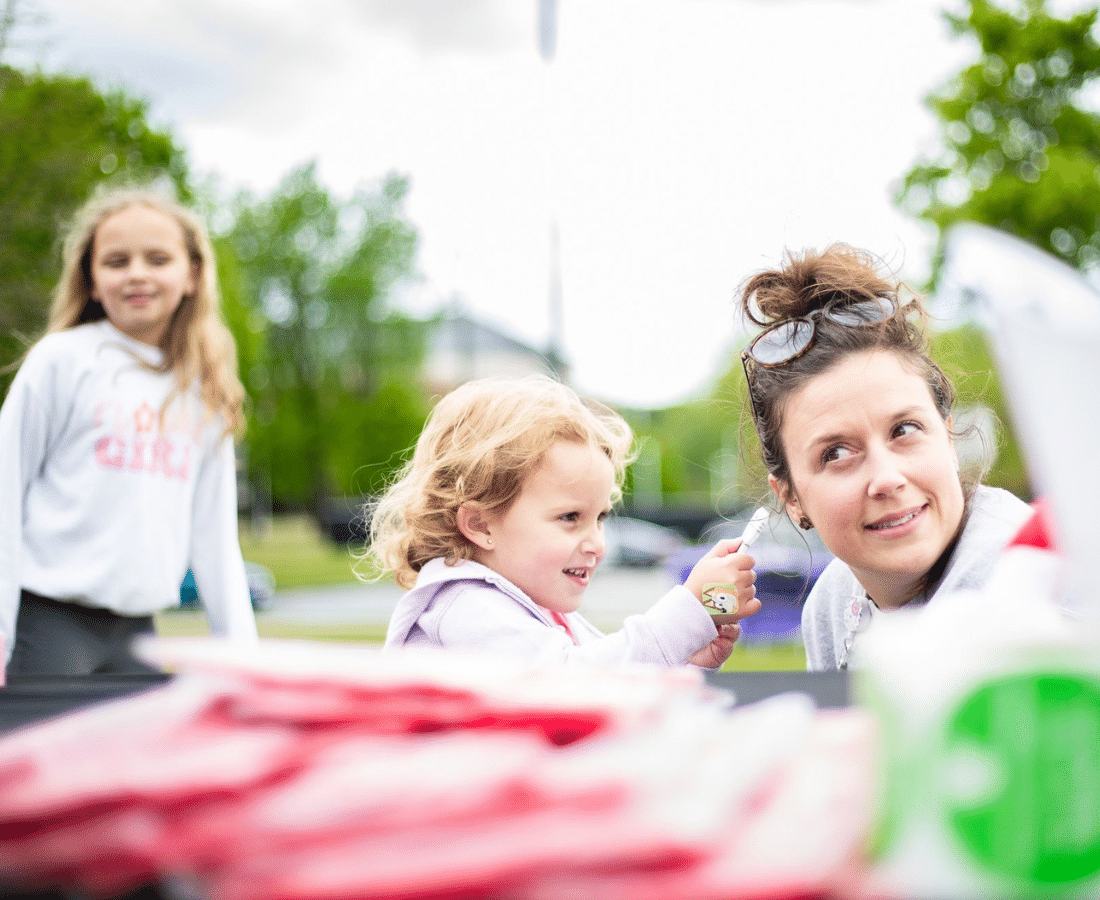
Pirates vs. Cancer, a student‑driven initiative dedicated to supporting children and families facing cancer, is set to host its annual spring fundraising event on April 10 at the ECU Health Sciences Campus. Led by medical, dental and allied health students, Pirates vs. Cancer brings together the entire health sciences community for a day of giving, celebration and solidarity with pediatric patients.
One hundred percent of the funds raised by Pirates vs. Cancer is donated to ECU Health Foundation to benefit programs at the James and Connie Maynard Children’s Hospital at ECU Health Medical Center. Some of those programs have included camps and other programs specifically designed to provide pediatric patients with childhood experiences.
Among the most tangible examples of the group’s efforts is on the Maynard Children’s Hospital’s second floor. In 2024, Pirates vs. Cancer funds were designated to renovate a playroom and fill it with toys, games, crafts and technology that help patients take their mind off procedures and just be kids.
“We were able to almost double the size of this playroom for these kids and add so many more interactive features,” said Elise Ironmonger, director of programs at the ECU Health Foundation. “It’s really a place of respite for them when they are facing treatment for months, weeks at a time.”
Pirates Vs. Cancer was founded by Brody School of Medicine students in 2017 and has raised over $176,000 in the past 10 years. Leadership and participants are composed of students, faculty and staff from the School of Medicine, School of Dental Medicine, College of Nursing, College of Allied Health Sciences and the Undergraduate campus. Together, they raise funds that directly impact their community.
To support Pirates Vs. Cancer, please click here.
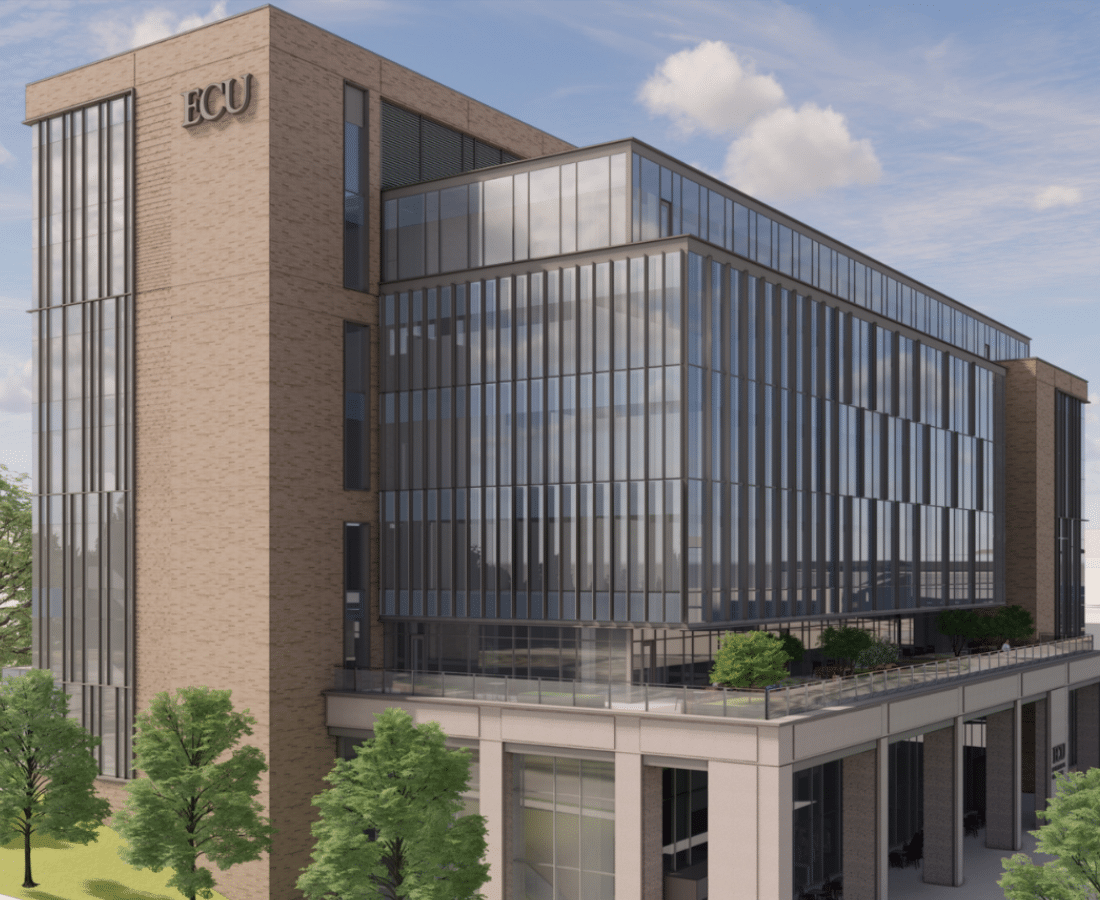
GREENVILLE, N.C. (March 10, 2026) — A transformational $10 million gift from David and Laura Brody of Raleigh, and Hyman and Stacy Brody of Greenville, will support and expand the Brody Scholars Program, East Carolina University and ECU Health Foundation announced today.
The university will honor the family and their steadfast ties to the institution and region with the naming of the new 195,000-square-foot Brody Center for Medical Education when it opens for the 2027-28 academic year. Approved by the ECU Board of Trustees on Feb. 13, the naming recognizes a decades-long philanthropic relationship between the family and the university to strengthen ECU’s mission.
The gift directly strengthens the Brody Scholars Program and the Brody School of Medicine’s mission to train physicians to serve North Carolina, especially in rural and underserved communities.
“The Brody family has once again demonstrated its extraordinary commitment to the mission and success of East Carolina University,” Chancellor Philip Rogers said. “For nearly 50 years, our university has answered the call to train high quality physicians who will meet the health care needs of our rural communities. The state of North Carolina has put its trust in us to continue that success. I am profoundly appreciative of the Brody family’s unwavering generosity and steadfast commitment to enhancing the health and well-being of our region.”
“This gift builds upon the significant funding put forward by the North Carolina General Assembly and the UNC System Board of Governors to advance the future of health care in our state,” cousins Hyman Brody and David Brody said, before thanking those elected and appointed leaders as well as Rogers, deans of the school Drs. Michael Waldrum and Jason Higginson, and others whose work has made the new building a reality.
Next year, the medical school marks 50 years since the first four-year medical school class arrived on campus. In 1999, the ECU Board of Trustees named the school the Brody School of Medicine, the first time at the university a school had been named for a donor, in recognition of the family’s decades of significant contribution.
“Our family’s connection to East Carolina University dates to 1947 when (former Chancellor) Dr. Leo Jenkins’ friendship with my father, Morris, and my uncles, Sammy and Leo, planted seeds that grew into a shared belief in this university’s mission,” Hyman Brody said. “That relationship led to our family’s initial support of the School of Medicine — a commitment rooted not only in philanthropy but stewardship and partnership.”
Along with improving health outcomes in the region, the Brody family has funded arguably the premier medical school scholarship in North Carolina — the Brody Scholars program. It provides full tuition, fees and enrichment opportunities for four years of medical education. The Brody family’s latest contribution will expand the Brody Scholars Program. Today, there are 12 Brody Scholars at the Brody School of Medicine and 147 alumni of the Brody Scholars Program.
“This contribution to the Center for Medical Education is especially meaningful to Laura and me because it expands the Brody Scholars Program so more students can graduate medical school with little or no debt and focus on what matters most: caring for patients,” said David Brody. “Investing in those students is, to us, exactly what doing good looks like.”
The family’s gift will be added to an existing endowment dedicated solely to supporting the Brody Scholars Program, according to Dr. Scott Senatore, chief philanthropy officer with the ECU Health Foundation. The investment ensures long-term sustainability for the scholarship and signals the importance of philanthropy in advancing medical education, supporting community health and inspiring future generosity. The Brody family’s cumulative giving to ECU now totals more than $35 million. The new Brody Center for Medical Education will serve as one of ECU’s most advanced instructional facilities, enabling the medical school to expand its class size to 120 students while offering state-of-the-art simulation spaces, learning studios, a new anatomy lab, student collaboration spaces and outdoor gathering areas. Construction of the new $265 million facility is funded by the state of North Carolina.
“The Brody School of Medicine was founded to meet the health care needs of our state, and this gift advances that mission in profound ways,” said Waldrum, who along with his academic role, is also CEO of ECU Health. “Brody Scholars become the kind of physicians every community needs — compassionate, skilled and committed to service. This investment ensures that more of those physicians will stay in North Carolina, where their impact is immeasurable. It is deeply gratifying to know that the Brody name will accompany this new state-of-the-art facility.”
The Brody School of Medicine is nationally recognized for graduating physicians who choose primary care specialties and practice in rural communities historically underserved by medicine. The new naming gift reinforces ECU as a leader in this mission and encourages additional philanthropic investment in the university’s medical education and health sciences enterprise.
Click here to learn more about the Brody Center for Medical Education.
READ MORE FROM TRIANGLE BUSINESS JOURNAL
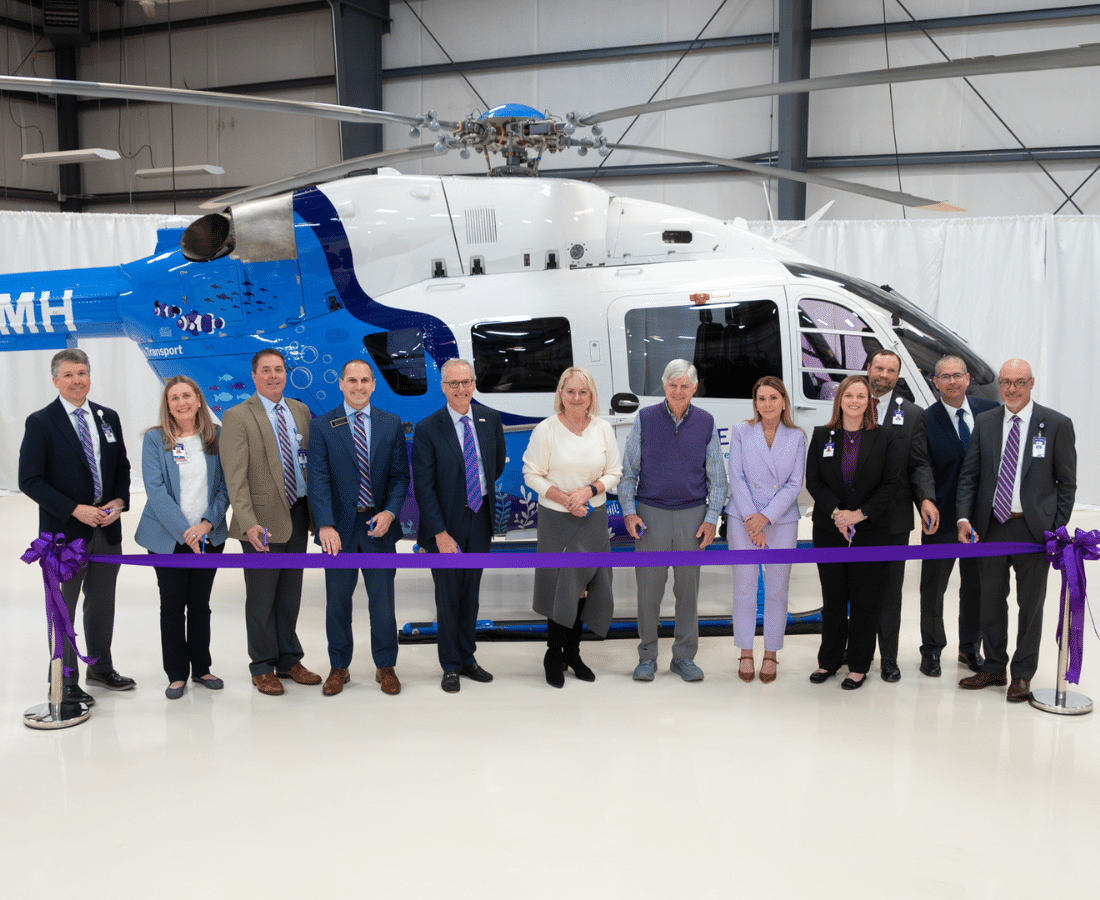
ECU Health, James and Connie Maynard Children’s Hospital at ECU Health Medical Center and EastCare announced the arrival of North Carolina’s first medical transport helicopter dedicated solely to pediatric patients.
The helicopter carries specialized neonatal and pediatric equipment—including ventilators designed for the smallest patients—and features a spacious, child friendly interior. The environment allows clinical teams to deliver both intensive medical treatment and developmentally supportive care in a space where children can feel safe and comforted. Much of the equipment in the aircraft was funded by generous donors through the ECU Health Foundation.
For more information on how you can support EastCare and Children’s Transport, please contact Rhonda James.